Topic Content
Regenerated Yarn Supplier for Textile Production
Regenerated yarn is becoming a practical material choice for textile producers that need stable supply, controlled cost, and a clearer sustainability story. For mills, fabric suppliers, and finished product manufacturers, the right regenerated yarn supplier should do more than quote a price. The supplier needs to understand fiber sources, yarn count, spinning method, color requirements, and the performance targets of the final fabric.
What Regenerated Yarn Means in Textile Production
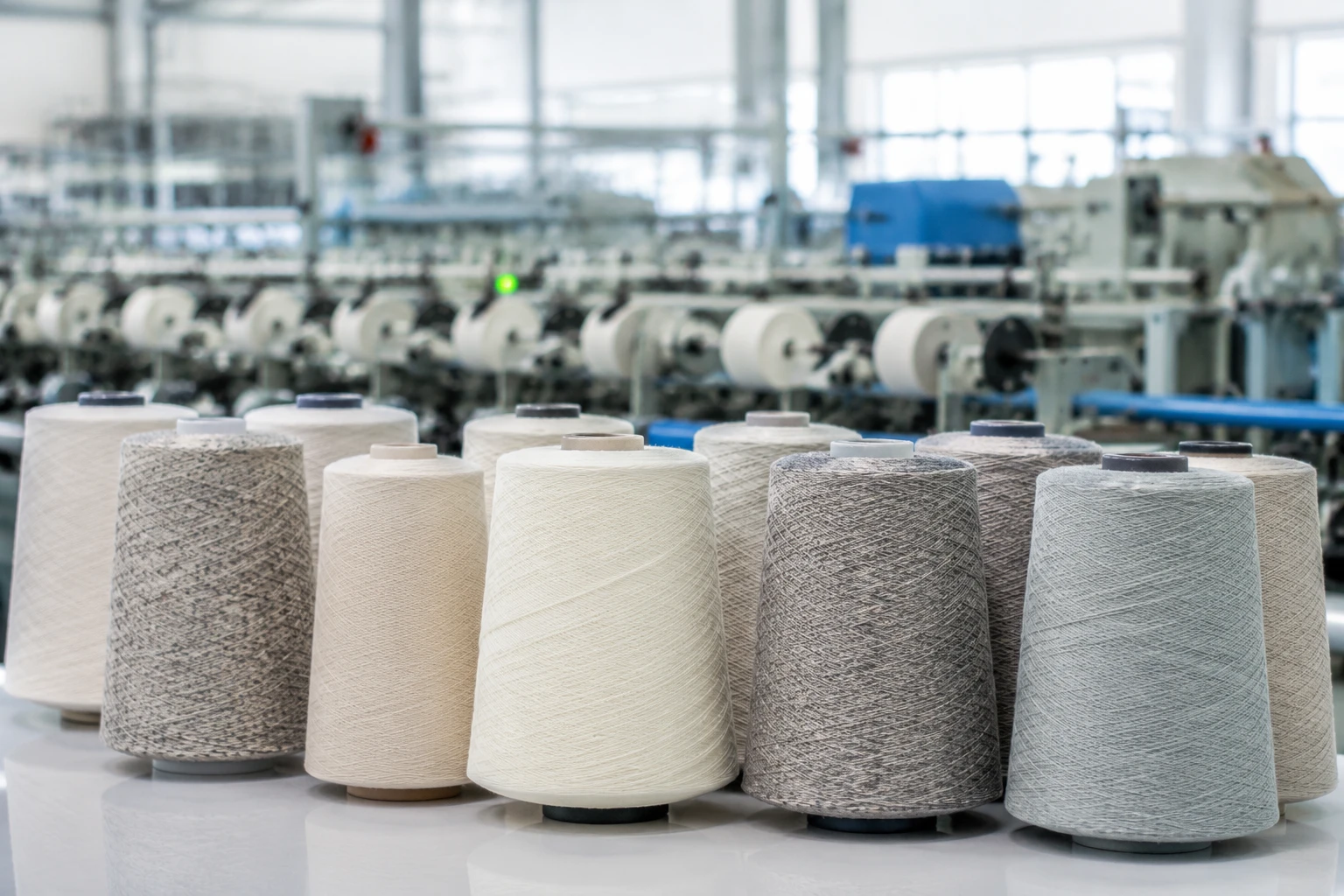
Regenerated yarn is usually made from recovered textile fibers, recycled polyester, cotton waste, or blended fiber streams that are processed and spun into usable yarn again. The purpose is not only to reuse material, but also to create a yarn that can run consistently in real production. Depending on the raw material and spinning route, regenerated yarn can be used for woven fabrics, knitted fabrics, towels, socks, gloves, blankets, ropes, mops, and many other textile applications.
For buyers, the key point is to match the regenerated yarn specification with the end use. A soft fabric may need a different blend and twist than a rope or mop product. A weaving mill may care more about yarn strength and evenness, while a knitting factory may focus on hand feel, shade stability, and low defect rates.
Important Specifications to Confirm Before Ordering
A reliable regenerated yarn order should start with clear technical details. Common items include yarn count, fiber composition, color, twist, spinning type, packing method, cone weight, and expected application. If the yarn will be dyed or processed again, the supplier should also understand the downstream process so that the yarn is not selected only by price.
- Yarn count: confirm the count range required by the fabric or product structure.
- Fiber composition: choose recycled polyester, cotton, polyester cotton blends, or other mixed fibers according to performance needs.
- Strength and twist: check whether the yarn can handle weaving, knitting, twisting, or industrial use.
- Color requirement: specify raw white, bleached white, dyed color, melange shade, or custom color matching.
- Application: share whether the yarn is for fabric, towel, mop, blanket, carpet, socks, gloves, rope, or another product.
Why Supplier Capability Matters
Regenerated yarn can vary greatly from one supplier to another because raw material sorting, opening, blending, carding, spinning, and quality control all affect the final yarn. A supplier with experience in textile production can help reduce trial costs by recommending a suitable count, blend, and packing format before bulk production begins.
Taishi Textile supplies yarn products for a broad range of textile uses, including recycled yarn, regenerated yarn, 100% polyester yarn, high tenacity polyester spun yarn, polyester ring spun yarn, cotton yarn, polyester cotton blended yarn, open end yarn, carded yarn, dyed melange yarn, twisted yarn, mop yarn, towel yarn, carpet yarn, blanket yarn, socks yarn, glove yarn, hammock yarn, and rope yarn. This product range is useful for buyers who need one supplier to support different yarn applications.
Common Applications for Regenerated Yarn
| Application | Typical Buyer Concern | Supplier Checkpoint |
|---|---|---|
| Weaving and knitting | Evenness, strength, fewer breaks | Confirm count, twist, and production stability |
| Towels and mops | Absorption, durability, cost control | Choose suitable cotton or blended regenerated yarn |
| Carpets and blankets | Bulk, hand feel, color consistency | Review color, softness, and cone packing |
| Socks and gloves | Comfort and repeatable shade | Check blend, yarn count, and knitting performance |
| Rope and hammock products | Tensile strength and abrasion resistance | Confirm twist, strength, and yarn structure |
How to Evaluate a Regenerated Yarn Supplier
Before placing a bulk order, buyers should ask for sample cones, technical details, available count range, color options, and packing information. It is also useful to explain the target product, machine type, and quality standard. This helps the supplier recommend a yarn that fits production instead of offering a generic material.
Price is important, but it should be reviewed together with usable yield, breakage rate, delivery stability, and the amount of rework during production. A lower yarn price may not reduce total cost if the yarn creates downtime or quality claims. A supplier that communicates clearly about material limits and suitable applications is often more valuable for long-term sourcing.
Working With Taishi Textile
For textile manufacturers looking for a regenerated yarn supplier, Taishi Textile can support specification discussion, product matching, and bulk supply for different yarn applications. Buyers can share their required count, composition, color, and end use to receive a more accurate recommendation for production.
Whether the project needs recycled polyester yarn, cotton blended regenerated yarn, open end yarn, ring spun yarn, dyed yarn, or yarn for towels, mops, blankets, ropes, socks, and gloves, the first step is to define the production requirement clearly. That makes the regenerated yarn selection more practical and helps the finished product meet both cost and quality expectations.