-
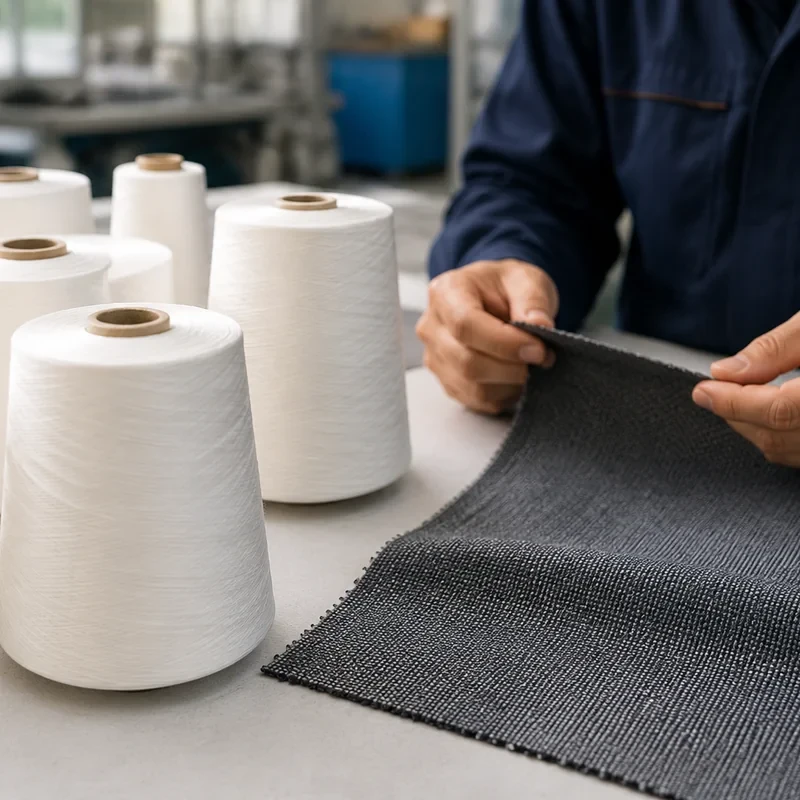
Polyester Spun Yarn Advantages for Industrial Fabrics
Learn how to assess polyester spun yarn for industrial fabrics by comparing construction, count, twist, color, samples, and production requirements.
-
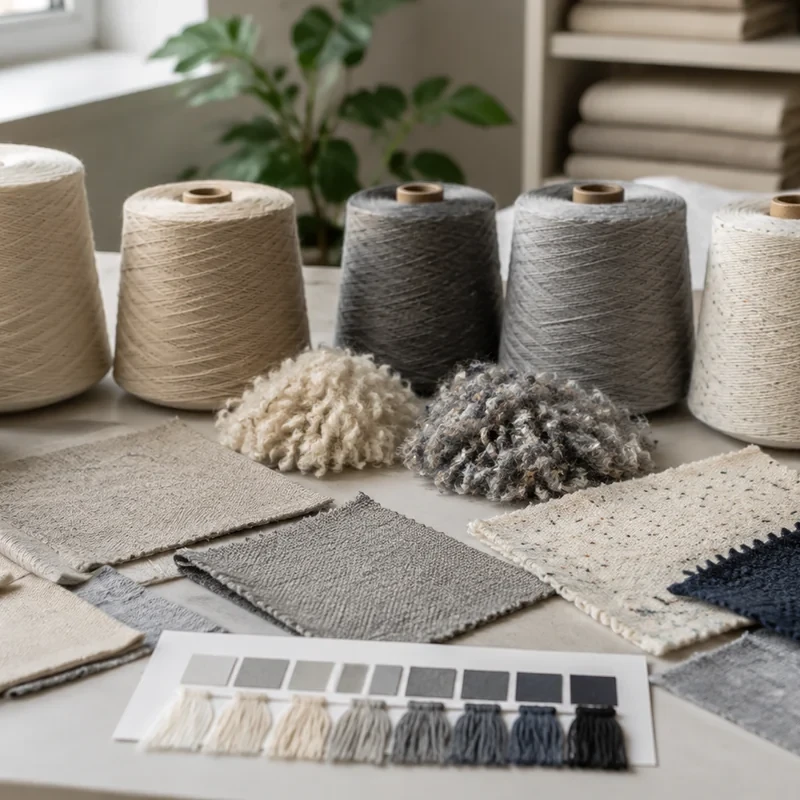
Differences Between Regenerated Yarn and Recycled Yarn
Compare regenerated yarn and recycled yarn by material definition, composition, yarn construction, sampling, and supplier questions before a textile order.
-
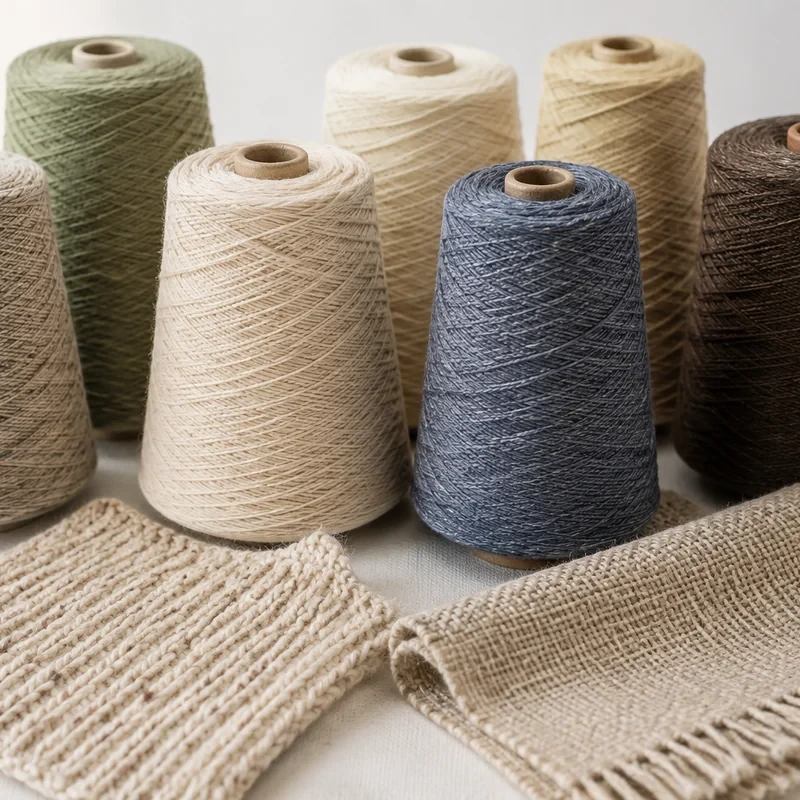
Recycled Yarn Applications in Knitting and Weaving Products
Learn how to compare recycled yarn options for knitting and weaving products by reviewing construction, count, fiber composition, color, and sampling needs.
-
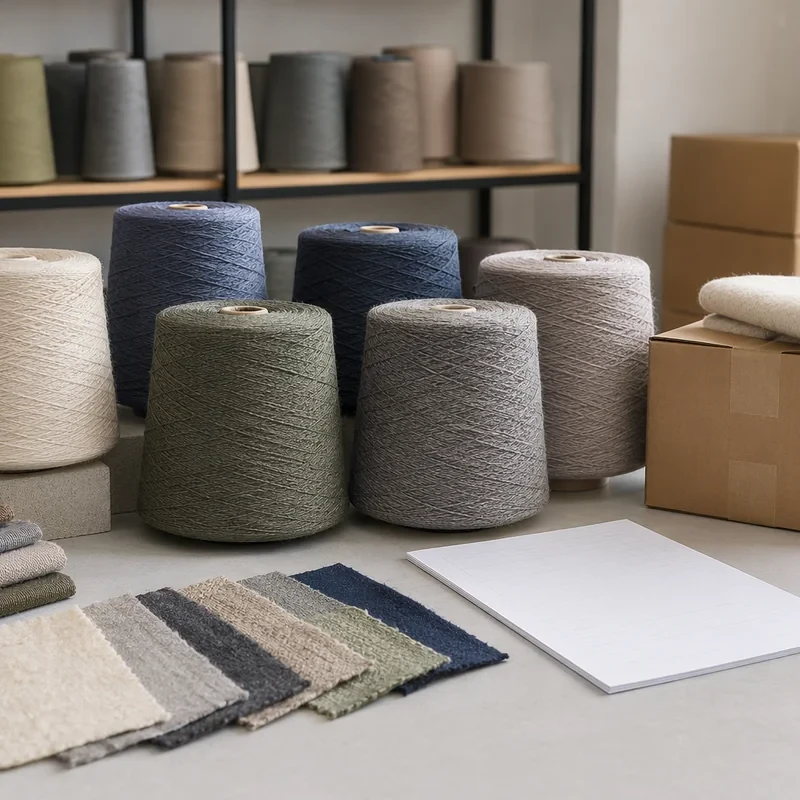
Recycled Yarn Wholesale Sourcing Guide for Overseas Buyers
A practical guide for overseas buyers sourcing recycled yarn wholesale, covering specifications, comparable quotations, sampling, production, packing, inspection, and shipping preparation.
-
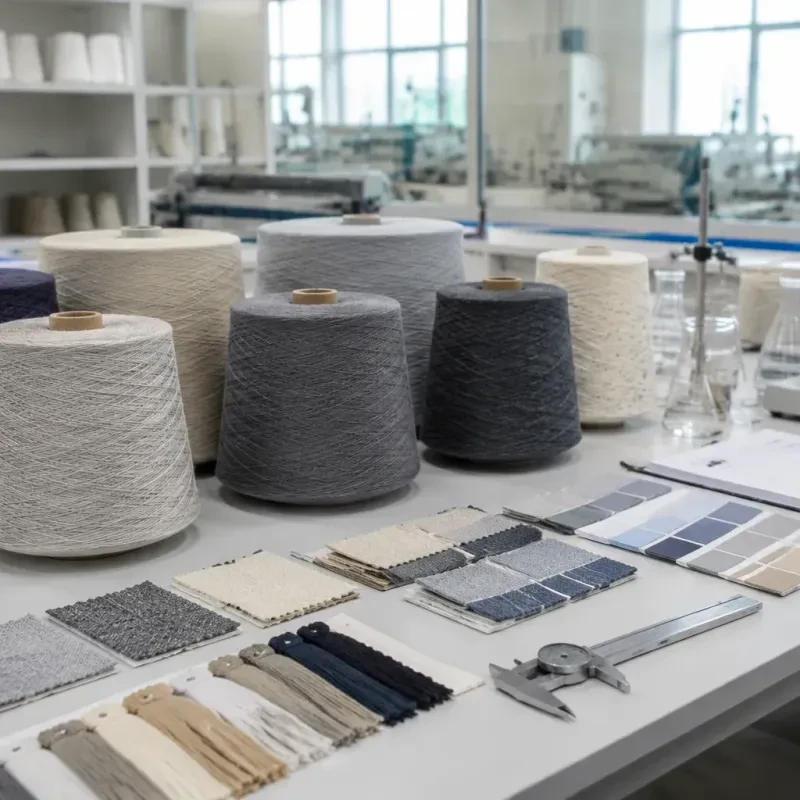
Quality Standards for Recycled Yarn from China Suppliers
A practical buyer guide to recycled yarn quality standards, covering fiber composition, yarn count, strength, color, evenness, sampling, and shipment checks.
-
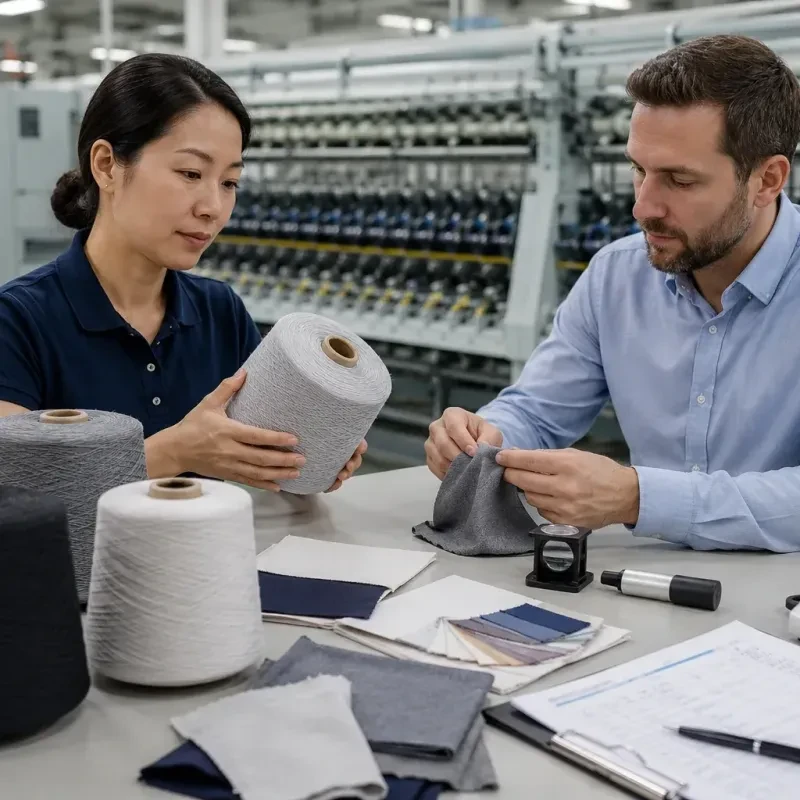
How to Source Recycled Polyester Yarn from a Factory
A practical sourcing guide for buyers who need recycled polyester yarn from a factory, including specification preparation, sample checks, quality review, and supplier communication.
-
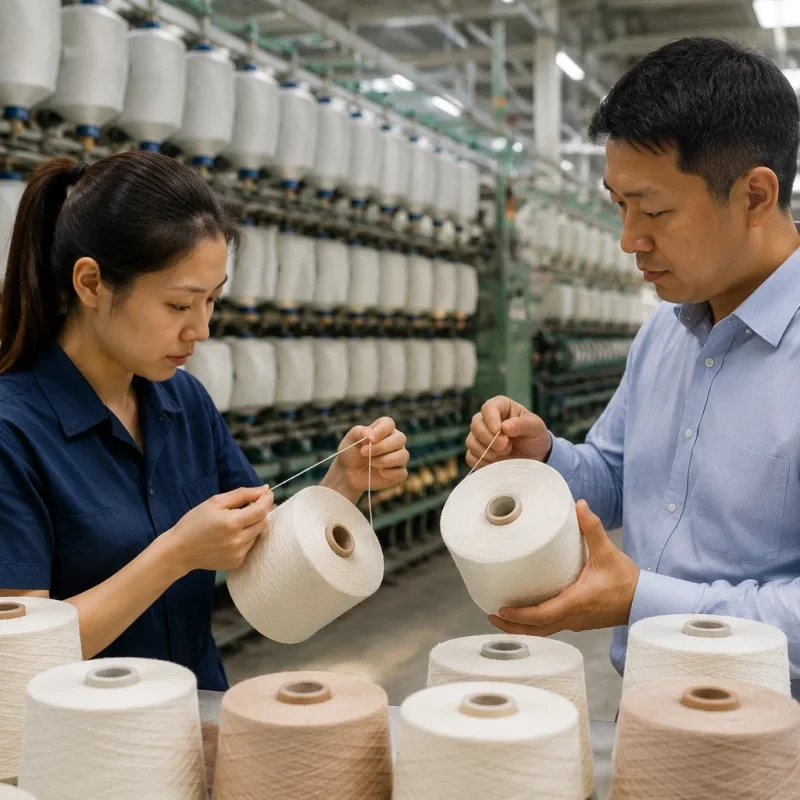
Regenerated Yarn Supplier Selection Guide for Textile Production
A practical guide for textile buyers on selecting a regenerated yarn supplier, checking specifications, testing samples, and reducing sourcing risk.
-
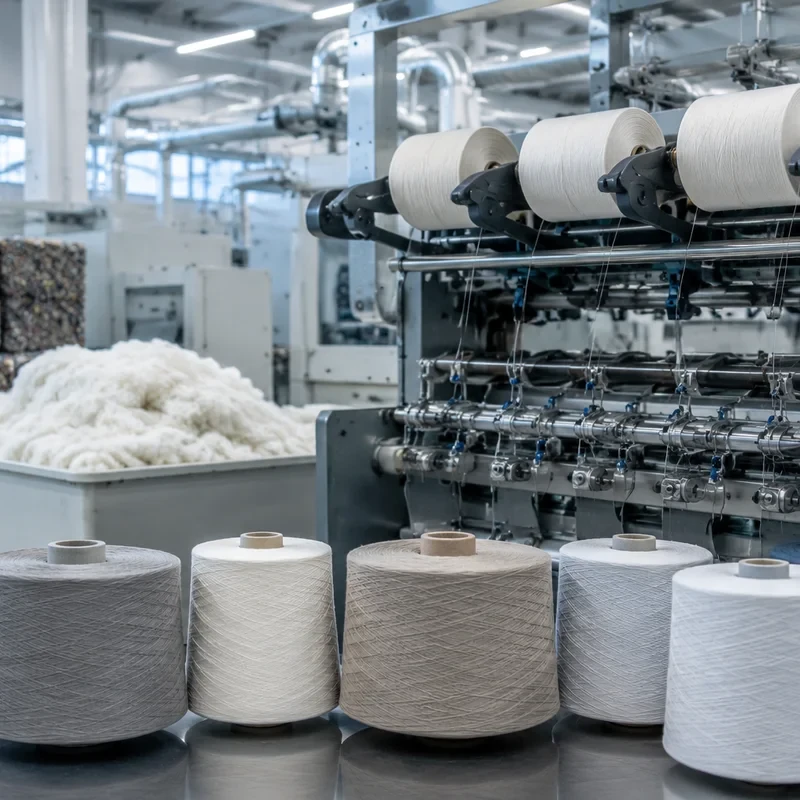
Recycled Yarn Manufacturing Process for Textile Buyers
For overseas textile buyers, understanding how recycled yarn is made is a practical way to evaluate supplier capability, quality control, and delivery risk
-
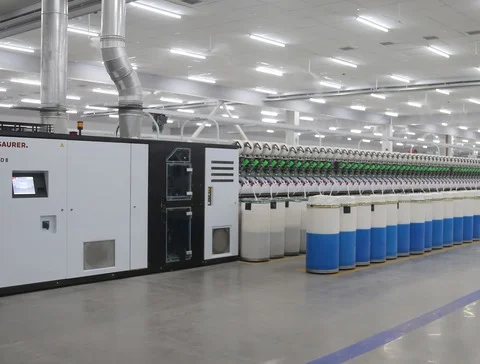
How to Choose a Recycled Yarn Manufacturer in China
A practical buyer checklist for evaluating recycled yarn manufacturers in China, including product range, quality control, sampling, color confirmation, delivery reliability, and communication before bulk orders.
-
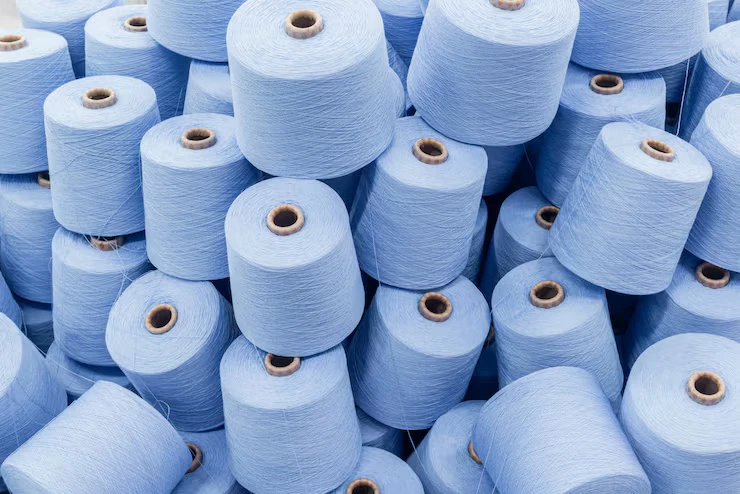
Is Cotton Bamboo Yarn Good For Washcloths
Cotton bamboo yarn can be a good option for washcloths when buyers want softness, comfort, and an appealing hand feel, but specification and product target still need to be confirmed carefully.
-
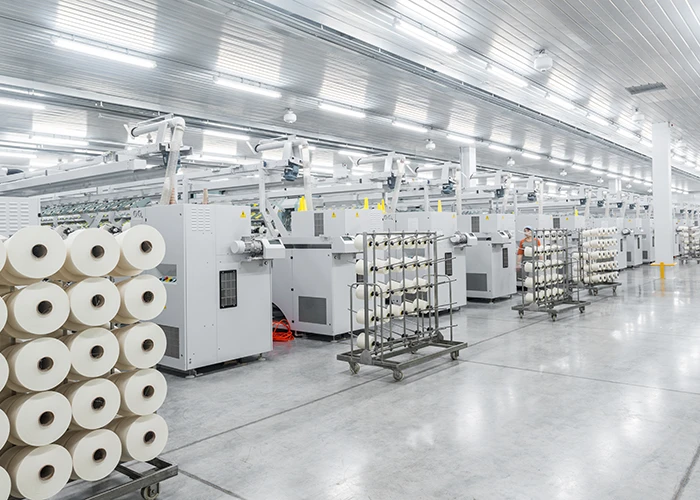
How In-Process Inspection Helps Keep Yarn Quality Stable Across Batches
In-process inspection helps yarn manufacturers reduce batch variation, discover issues early, and keep yarn quality more stable from one production run to the next.
-
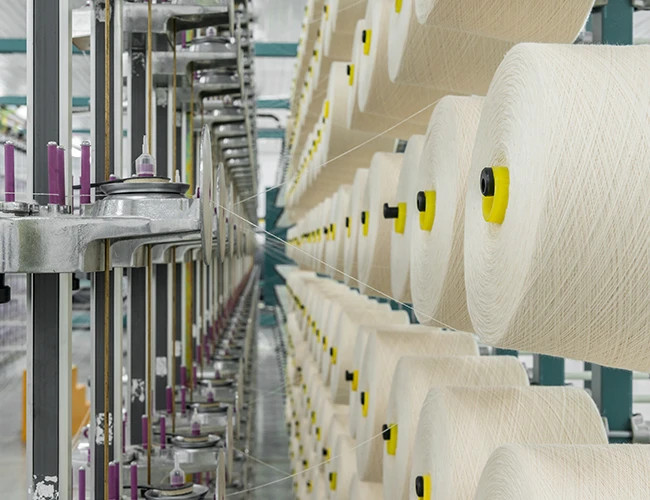
How Blended Yarn Supports Apparel, Towels, Gloves And Sock Production
Blended yarn helps manufacturers balance comfort, durability, and cost across apparel, towels, gloves, and socks, making it a practical choice for many daily textile products.