Buying recycled yarn wholesale involves more than comparing a price per kilogram. Overseas buyers need a specification that suppliers can quote consistently, a sample that reflects the intended application, and an order plan that accounts for production, packing, and shipping. This guide explains how to prepare a practical inquiry for recycled polyester, regenerated cotton, and recycled cotton-polyester blended yarn without leaving important decisions until after production starts.
Define the End Use Before Requesting a Quote
Begin with the product that the yarn will become. Yarn for knitting or weaving fabric may prioritize running stability and surface appearance, while yarn for mops, cleaning products, carpets, blankets, ropes, hammocks, socks, or gloves can require a different balance of strength, bulk, softness, and cost. Giving the supplier an end-use description helps narrow the suitable spinning method, fiber blend, count, and ply construction.
A useful inquiry does not simply ask for a recycled yarn catalog. It identifies the production method, machine type when relevant, desired fabric or product character, and any approved yarn already in use. Physical samples are especially helpful when count terminology or expected hand feel may be interpreted differently.
Build a Complete Wholesale Yarn Specification
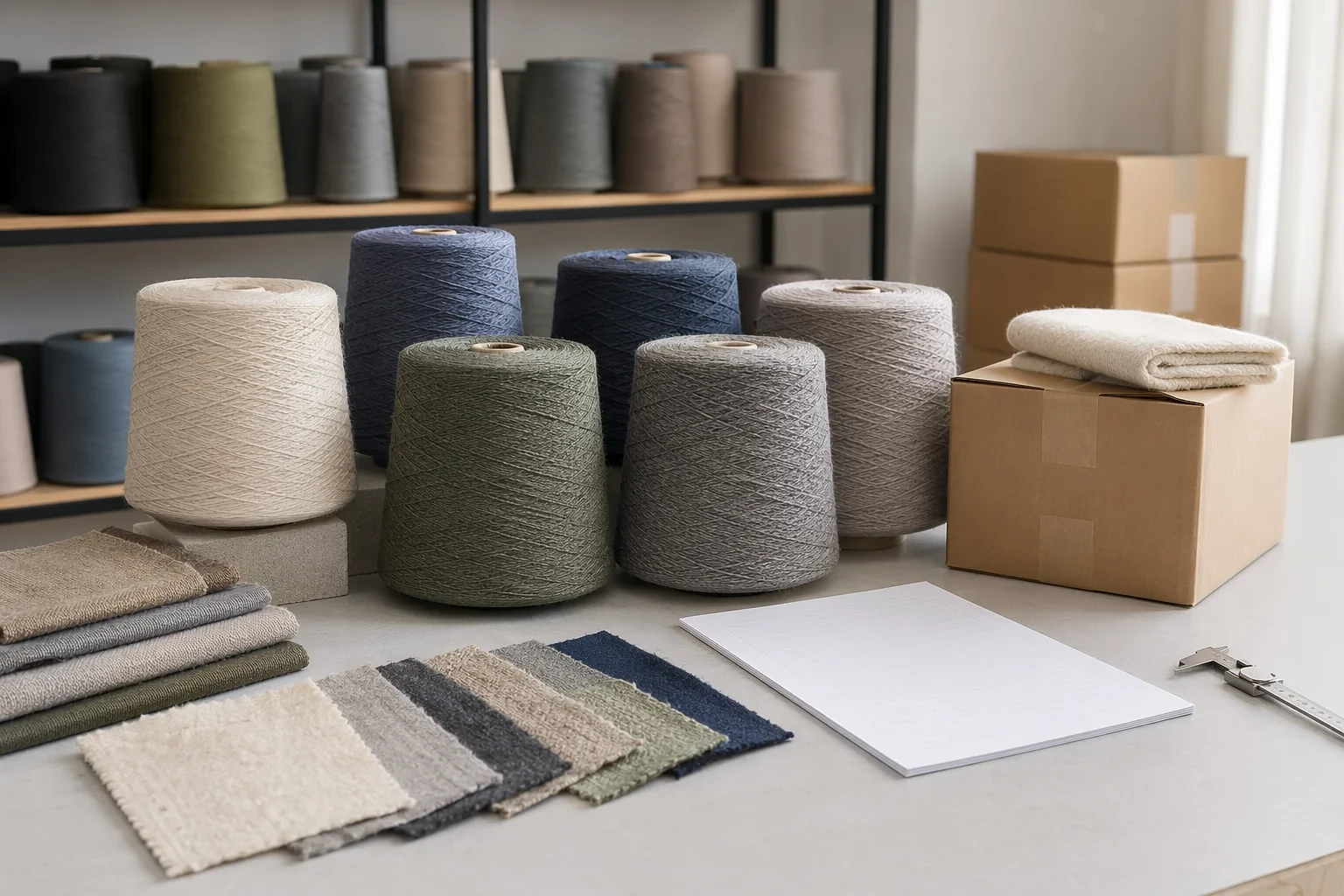
Write the essential requirements in one specification sheet so every supplier quotes the same product. Depending on the application, the sheet may include:
- Fiber composition and blend ratio, such as recycled polyester or a defined cotton-polyester blend.
- Yarn count and count system, for example Ne, single count, or a construction such as 16/1.
- Spinning method, such as open end or ring spun, where it affects the intended use.
- Single or twisted construction, including 2-ply, 4-ply, or 6-ply when required.
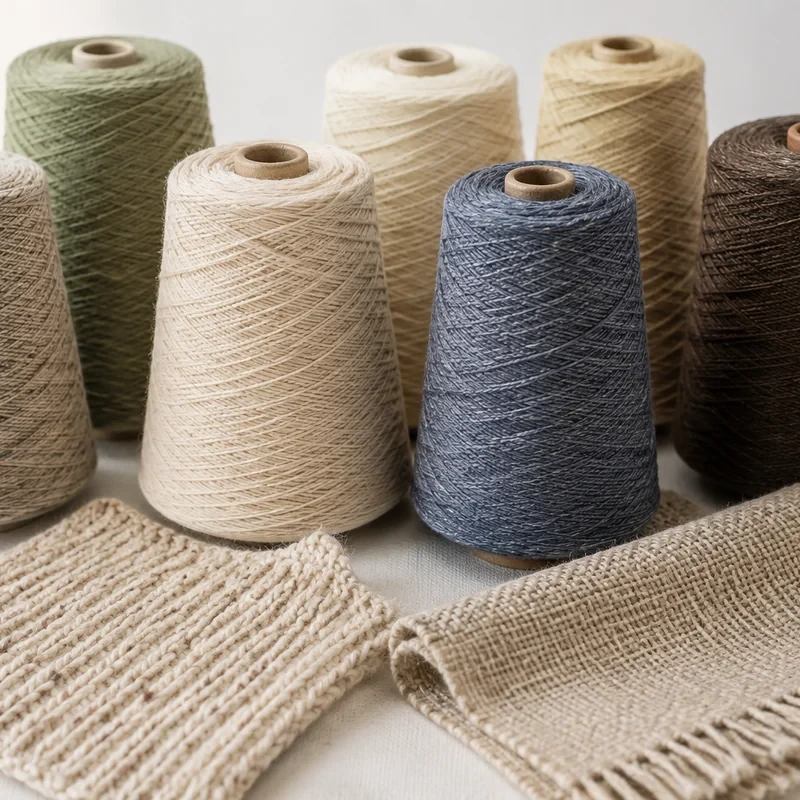
- Color reference, including raw, bleached white, melange, or a confirmed custom color.
- Cone format, packing preference, required quantity, and destination.
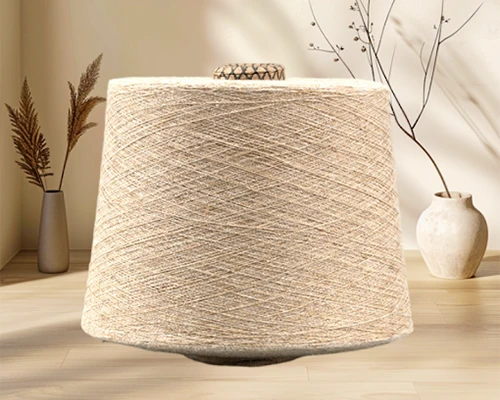
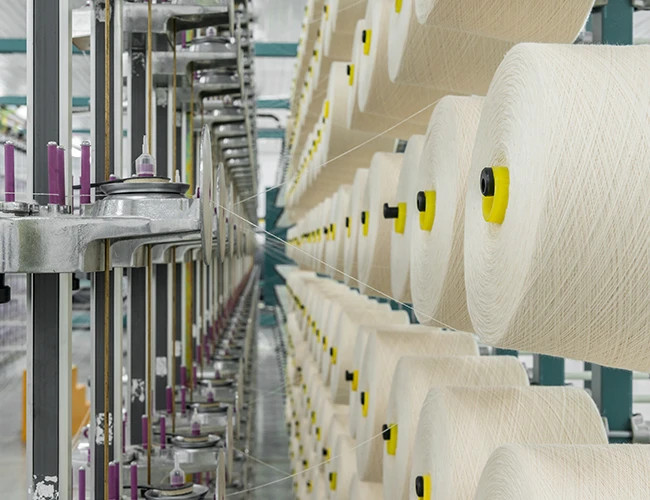
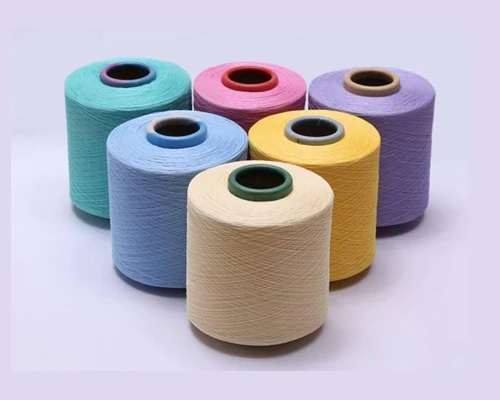
Taishi Textile supplies recycled and regenerated yarn across polyester, cotton, and blended options, including open end, ring spun, melange, and twisted structures. Available counts and constructions vary by product, so buyers should confirm the exact specification rather than assume every combination is available.
Make Supplier Quotations Comparable
A low headline price can be misleading if quotations use different compositions, cone weights, packing methods, payment terms, or shipping bases. Ask each supplier to state what the price includes and how long the quotation remains valid. The quotation should identify the yarn specification, order quantity, packing, production lead-time estimate, trade term, loading point, and payment terms.
Compare the total landed purchasing scenario rather than one number. Freight, local handling, duties, bank costs, sample charges, and variations in usable yarn can change the real cost. Buyers should calculate with their own forwarder and customs adviser because import requirements and charges depend on the destination and shipment.
Use Samples to Reduce Wholesale Order Risk
A sample is most useful when it is tested in the buyer's actual process. Visual inspection can reveal color, winding, obvious contamination, and surface character, but a machine trial can also show breakage behavior, tension stability, lint, fabric appearance, or suitability for the final product.
Record the sample identification, specification, supplier, date, and trial result. Once approved, retain a reference sample and confirm whether bulk production will follow it. For custom colors, use a physical color reference where possible; photographs alone can shift with lighting, cameras, and screens.
Agree on Quantity and Production Details
Before placing the order, confirm the supplier's minimum quantity for the exact yarn, not only for the broader product category. Stock colors, custom colors, unusual blend ratios, and special ply structures may have different production conditions. Ask whether the order will be produced as one lot and how any permissible quantity variation will be handled.
A workable schedule should include specification confirmation, sample or color approval, production, inspection, packing, and availability for collection. Treat the lead time as an estimate until the supplier has confirmed material and production capacity for the final order. If the yarn is needed for a fixed manufacturing window, include reasonable time for shipping and import clearance rather than planning around the earliest possible dispatch date.
Confirm Packing, Labels, and Shipping Information
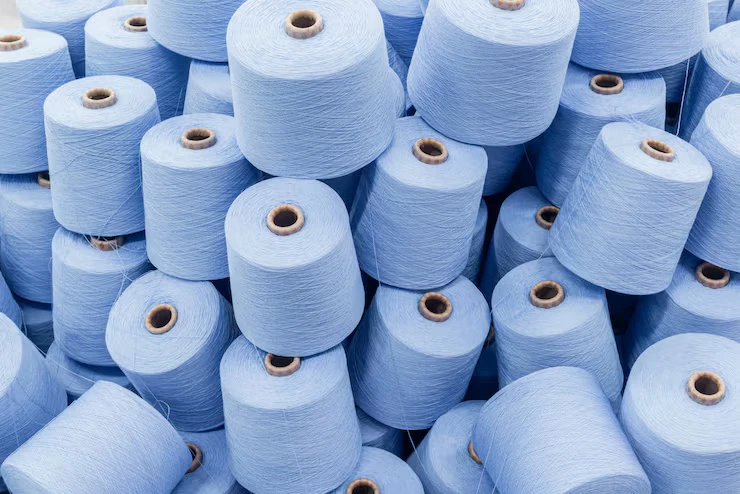
Wholesale yarn occupies space as well as weight, so packing details affect freight planning and warehouse handling. Request the cone weight, number of cones per bag or carton, net and gross weight, package dimensions, and moisture protection method. Labels should allow the receiving team to identify the product, count, color or lot, quantity, and order reference.
For a freight quotation, the buyer or forwarder normally needs the expected package count, total gross weight, total volume, pickup location, destination, and preferred transport mode. Confirm document requirements before shipment. The commercial invoice, packing list, transport document, and any destination-specific paperwork should describe the goods consistently.
Inspect the Order Before Shipment
Inspection should refer to the agreed specification and approved sample. A practical check can cover product identity, count and construction, color or lot consistency, cone winding, visible cleanliness, packing, labels, package count, and gross or net weight records. The exact inspection plan should match the end use and purchasing risk.
Resolve discrepancies before the goods leave the supplier whenever possible. Photographs and packing records are useful for shipment confirmation, but they do not replace application testing when machine performance is important.
Wholesale Recycled Yarn Inquiry Checklist
- Describe the final product and production method.
- State composition, count system, spinning method, ply, and color.
- Provide order quantity, destination, and preferred trade term.
- Request a representative sample and test it in the intended process.
- Confirm what the quotation includes, along with payment and validity terms.
- Agree on production checkpoints, packing, labels, and shipment documents.
- Check the bulk order against the approved specification before dispatch.
Prepare a Clear Inquiry for Taishi Textile
Taishi Textile supports yarn selection, color confirmation, sampling, production scheduling, quality inspection, and shipment follow-up for domestic and overseas buyers. Its range includes recycled polyester yarn, regenerated yarn, recycled cotton and cotton-polyester blended yarn, open end and ring spun yarn, melange yarn, twisted yarn, and yarn for knitting, weaving, mops, towels, fabric, carpets, blankets, socks, gloves, hammocks, crochet, ropes, and related textile applications.
For an efficient wholesale discussion, send the intended application, composition, yarn count, ply or twist, color, estimated quantity, packing needs, and delivery destination together. A complete starting brief allows the supplier to identify a realistic option, prepare the right sample, and build a quotation that the buyer can evaluate on equal terms.