Why Recycled Yarn Quality Standards Matter
For overseas textile buyers, recycled yarn is no longer selected only because it supports a more responsible material story. It also has to run smoothly in weaving, knitting, towel, mop, glove, sock, carpet, blanket, rope, and cleaning product production. The right quality standard helps buyers compare suppliers in a practical way: what fiber goes into the yarn, how stable the yarn count is, how consistent the color looks, how much strength the yarn can carry, and whether each shipment can repeat the approved sample.
A buyer comparing a recycled yarn manufacturer in China should therefore ask for more than a quotation. The useful question is whether the supplier can describe its material control, spinning control, inspection records, sample process, and shipment confirmation clearly enough for bulk orders.
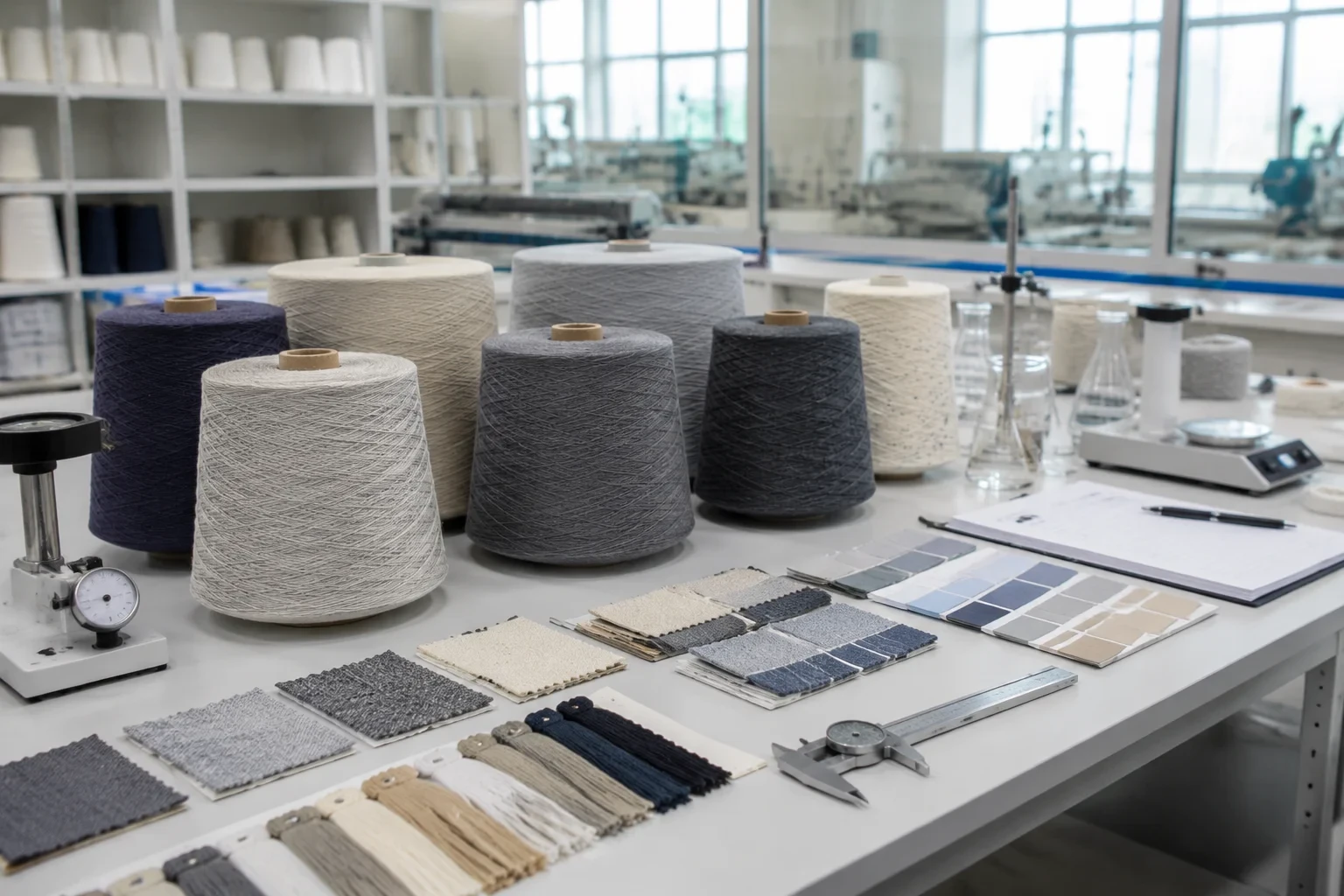
Start with Clear Material Composition
Recycled yarn quality begins with the raw material. Different applications need different fiber blends. A mop yarn may focus on absorbency and cost control, while a knitting or weaving yarn may need a more stable hand feel, clearer color, and better running performance. Common options include recycled polyester yarn, regenerated cotton yarn, cotton polyester blended yarn, recycled TC yarn, and open end carded yarn.
Before confirming an order, buyers should ask the supplier to write the composition in a simple and consistent format. For example, a 65/35 polyester cotton blend should not be described differently across quotation, sample label, proforma invoice, and packing list. When the composition is clear, later checks on yarn performance and end-use suitability become easier.
Check Yarn Count, Twist, and Structure
Yarn count is one of the first technical standards buyers notice because it affects fabric weight, appearance, production speed, and final product cost. Taishi Textile works across a broad count range such as 1s-2s, 2s-20s, 6S, 8S, 10S, 12S, 16/1, 21/1, 32/1, and Ne0.5s-Ne30s depending on product type. The important point is not to choose the finest or strongest yarn by default, but to match the count to the application and machine conditions.
Twist and ply structure also matter. A 2-ply, 4-ply, or 6-ply twisted yarn can improve strength and handling for certain uses, while a softer open end yarn may be more suitable for products where hand feel, volume, and price balance are priorities. Buyers should ask whether the supplier can keep the same twist direction, ply structure, and count tolerance from sample to bulk production.
Evaluate Strength and Production Performance
Strength standards should be connected to the buyer's real production environment. A yarn for weaving, knitting, ropes, canvas, denim, carpets, blankets, gloves, or socks may face different tension and abrasion conditions. If the yarn breaks too often during production, the buyer loses time even when the material price looks attractive.
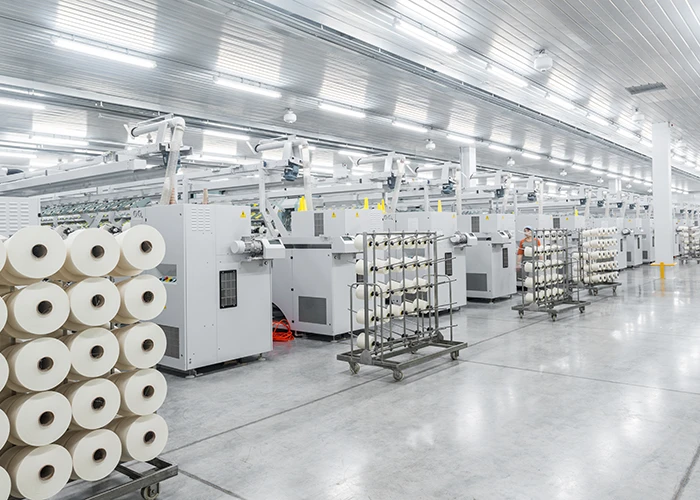
For practical sourcing, request a test sample and run it on the intended machine whenever possible. If machine testing is not possible before a purchase, ask the supplier for reference data, previous application experience, and a realistic explanation of what the yarn is designed to do. A supplier that understands the recycled yarn manufacturing process for textile buyers can usually explain which part of the process affects strength, evenness, impurities, and batch stability.
Review Evenness, Hairiness, and Surface Cleanliness
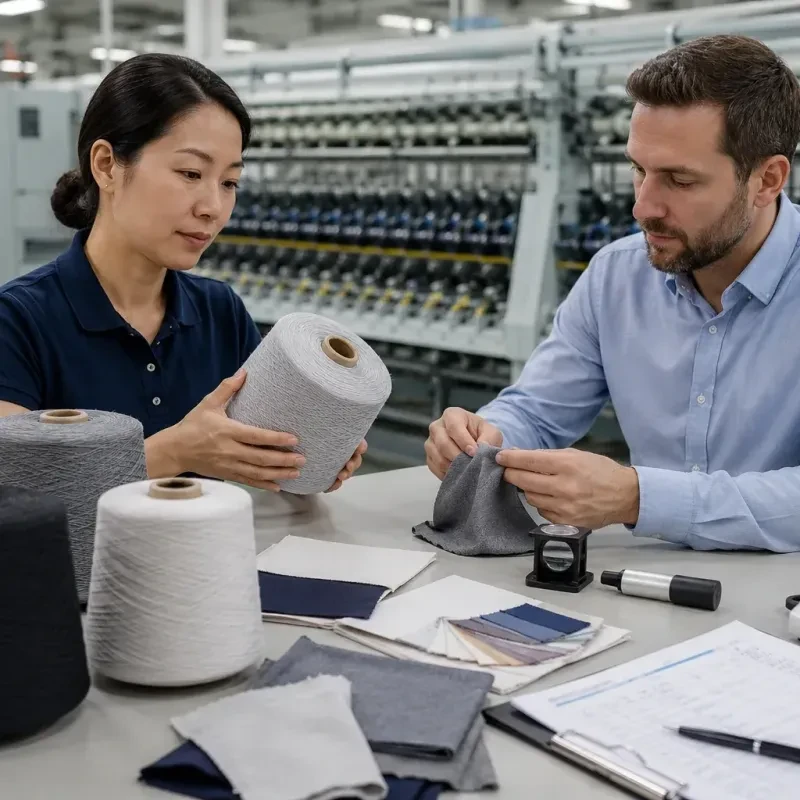
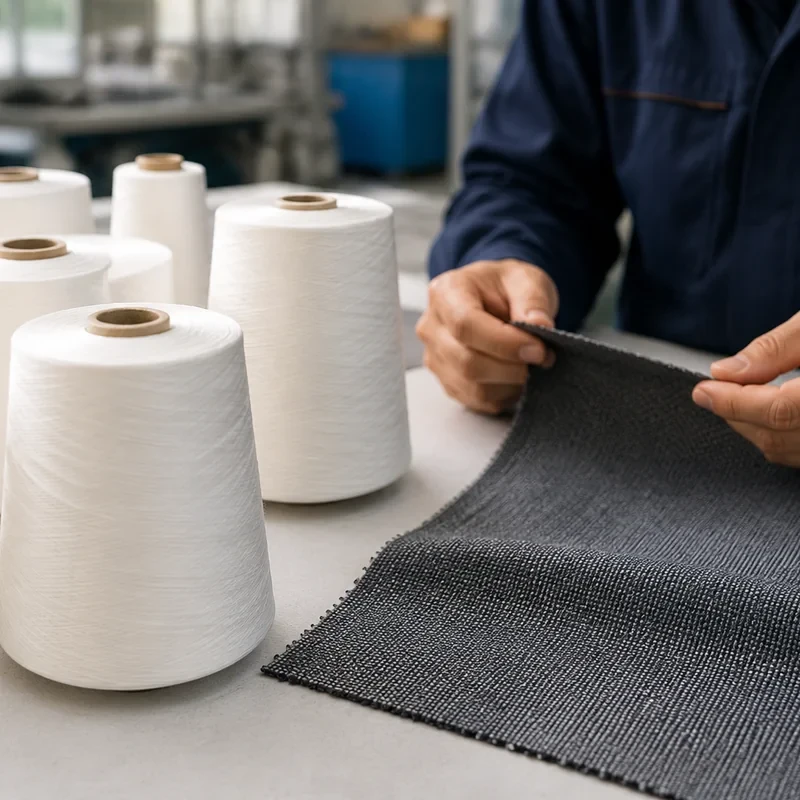
Recycled and regenerated fibers can vary more than virgin fibers, so evenness and surface cleanliness deserve attention. Buyers should inspect the yarn cone visually and by touch. Look for obvious thick and thin places, excessive hairiness, uneven winding, oil stains, foreign fibers, or color contamination. These issues may affect fabric appearance, dyeing performance, downstream processing, and customer acceptance.
A reasonable standard does not mean every yarn must look identical to premium virgin yarn. It means the supplier and buyer agree on what is acceptable for the target application. Yarn for mop production, pet toy rope, carpet backing, or cleaning products may accept different appearance standards than yarn for apparel fabric, towels, socks, or gloves.
Confirm Color Before Bulk Production
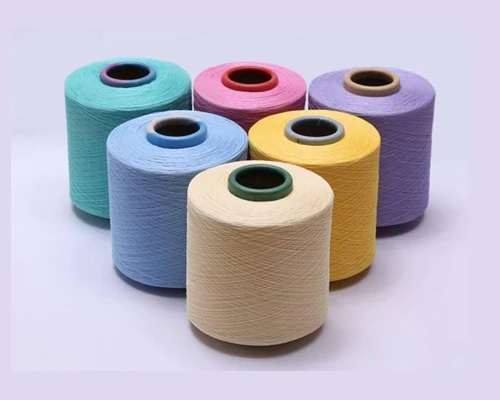
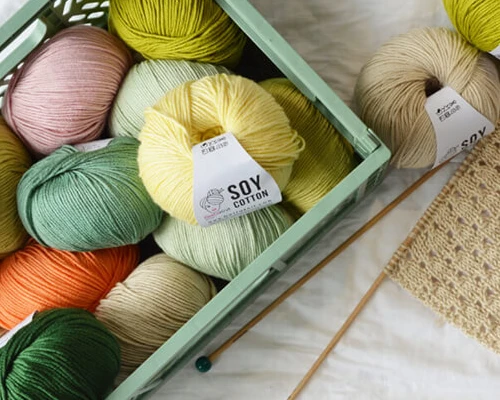
Color confirmation is especially important for dyed melange yarn, bleached white yarn, raw pattern yarn, and custom color orders. Buyers should confirm whether the supplier uses a physical color card, sample cone, lab dip, or previous production reference. Digital photos are useful for quick communication, but they should not be the only confirmation method because lighting and screen settings can change the perceived color.
For repeat orders, keep a retained sample from the approved batch. This gives both sides a shared reference when checking future production. If a buyer needs multiple colors, such as 30 colors yarn or custom color yarn, each color should have its own confirmation record.
Use Sampling as a Quality Gate
A good sample process is not just a formality. It is the first quality gate before bulk production. The sample should confirm composition, yarn count, color, twist, ply, hand feel, cone shape, and basic running suitability. Buyers should avoid approving a sample only by photo when the order is technically sensitive.
After sample approval, the buyer should keep the approved sample and ask the supplier to keep one as well. The bulk order can then be checked against the same reference. This simple step reduces disputes and makes communication more objective if a difference appears later.
Inspect Packing, Labeling, and Shipment Consistency
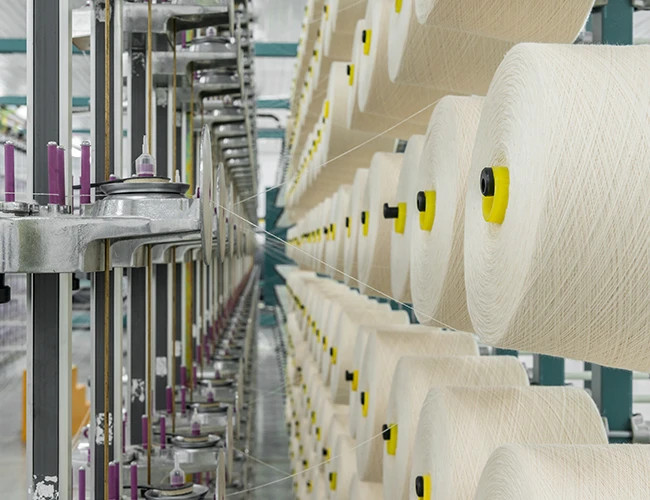
Quality standards continue after spinning. Cone weight, carton packing, moisture protection, labels, and shipment documents all affect receiving and production planning. Ask the supplier to confirm the packing method, gross and net weight, cone count per bag or carton, and whether the goods are suitable for the buyer's warehouse and transport route.
For overseas buyers, shipment consistency can be as important as yarn performance. A reliable supplier should support clear communication around production scheduling, quality inspection, packing photos, shipment follow-up, and document preparation.
Buyer Checklist for Recycled Yarn Quality
- Confirm the exact fiber composition and blend ratio.
- Match yarn count and ply structure to the final application.
- Check strength requirements against real machine conditions.
- Inspect evenness, hairiness, winding, and surface cleanliness.
- Approve color using physical samples whenever possible.
- Keep retained samples for both supplier and buyer.
- Review packing, labeling, cone weight, and shipment records.
How Taishi Textile Supports Quality-Focused Buyers
Taishi Textile supplies recycled yarn, regenerated yarn, recycled polyester yarn, cotton yarn, cotton polyester blended yarn, open end yarn, ring spun yarn, melange yarn, twisted yarn, mop yarn, crochet yarn, towel and fabric yarn, carpet and blanket yarn, socks yarn, glove yarn, hammock yarn, and knitting or weaving yarn. For buyers, the practical value is not only the product list. It is the ability to discuss application, sample confirmation, production arrangement, inspection, and shipment follow-up before the order becomes a bulk production risk.
When quality standards are agreed early, recycled yarn sourcing becomes more predictable. Buyers can compare China suppliers with clearer evidence, suppliers can prepare production around the right application, and both sides can reduce avoidable disputes over color, count, strength, and delivery expectations.