Yarn count is one of the basic specifications in textile orders, but it has a direct effect on how the final fabric looks, feels, and performs. Buyers often ask which counts are commonly used for weaving and knitting, yet the practical answer depends on product type, fabric construction, and market positioning.
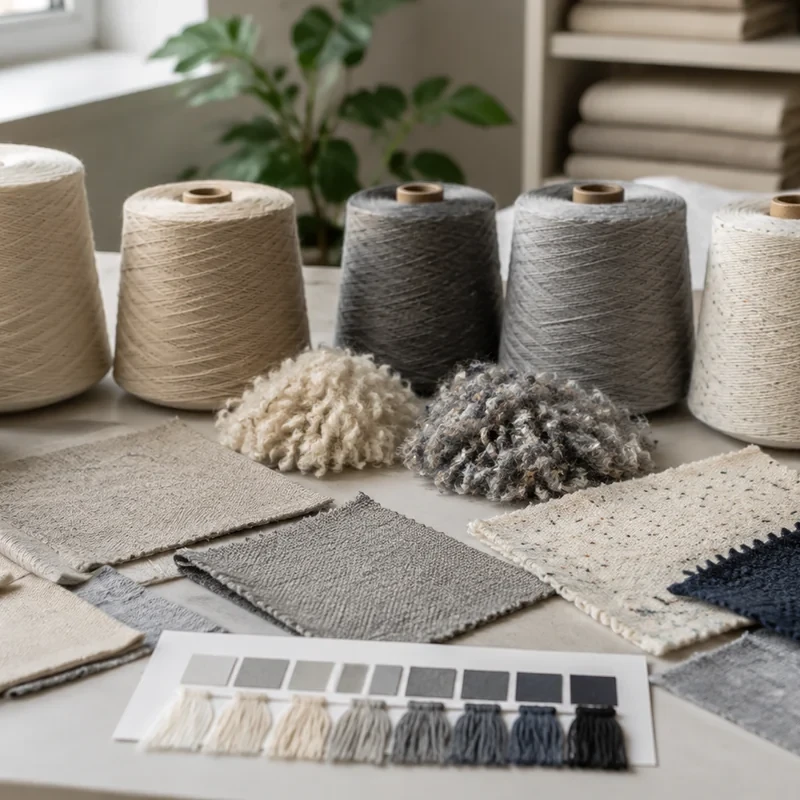
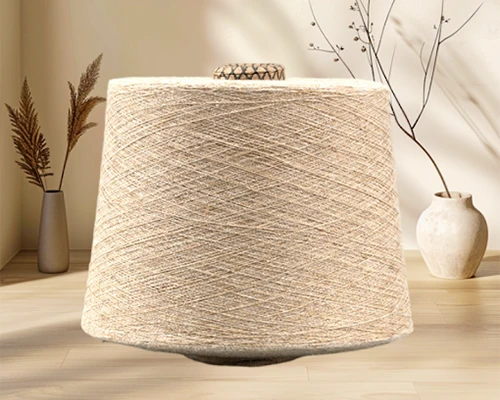
Maina focuses on yarn counts from Ne 2 to Ne 32, a range that covers many daily textile applications. Within that range, lower counts are usually chosen for heavier, fuller, or more robust products, while relatively finer counts are selected for lighter or more delicate constructions. The correct choice starts from the finished product requirement rather than count alone.
How count affects weaving and knitting
In weaving, yarn count influences fabric density, strength, and surface style. Heavier woven products such as canvas or utility fabrics may use coarser counts, while lighter woven goods need a more refined balance. In knitting, count affects softness, thickness, and stitch appearance. Products like scarves, sweaters, socks, and rib knit fabrics often require count selection that matches comfort and structure together.
- Lower counts often support fuller and heavier products
- Higher counts within the range can help create lighter fabric effects
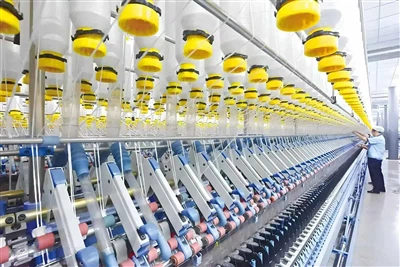
- Machine capability and fabric construction must be considered together
- Fiber type can change the performance of the same nominal count
Why there is no universal best count
Two buyers may order the same category of product but choose different counts because their priorities are different. One may focus on durability and cost efficiency, while another may prioritize softness or a cleaner surface. Count must also be matched with cotton, polyester, or blended yarn characteristics. A knitted item and a woven item using the same count will not necessarily show the same result.
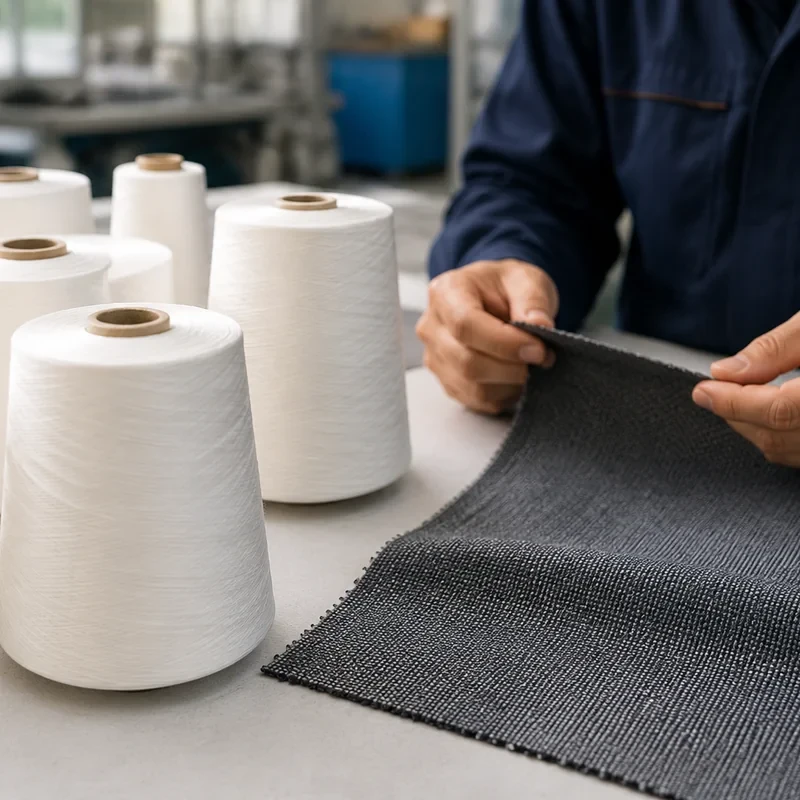
This is why sampling and technical discussion are useful before bulk confirmation. By reviewing the target hand feel, product weight, and production method, suppliers can recommend counts that are more likely to perform well from the first run.
Selection should support the whole order
The best count is the one that fits the end use, runs efficiently on the customer side, and can be delivered with stable quality. When buyers select yarn count with these factors in mind, they reduce development time and improve consistency in repeat production.
For weaving and knitting orders, common counts provide a starting point, but the final decision should always be driven by the product application and production reality.