Reliable lead times are one of the most practical advantages a yarn supplier can offer textile buyers. When delivery dates keep moving, buyers usually respond by increasing safety stock, extending purchasing cycles, and holding more materials than they really want. That ties up working capital, fills warehouse space, and still does not fully remove the risk of production delays.
For weaving and knitting factories, yarn is the starting point of the schedule. If yarn arrives late, dyeing, fabric production, garment cutting, and shipment planning all feel the impact. A supplier that can keep delivery timing stable helps buyers build a cleaner production plan and reduce the pressure to overstock.
Why lead time reliability matters
Stable lead times give purchasing teams more control over reorder timing. Instead of placing large defensive orders, buyers can buy closer to real demand and still keep operations safe. This is especially important for customers handling seasonal colors, repeat orders, or multiple fabric programs at the same time.
- Lower inventory pressure and less cash locked in stock
- More accurate production and shipment planning
- Fewer urgent substitutions caused by delayed raw materials
- Better visibility for sales teams and downstream customers
How a yarn mill supports stable delivery
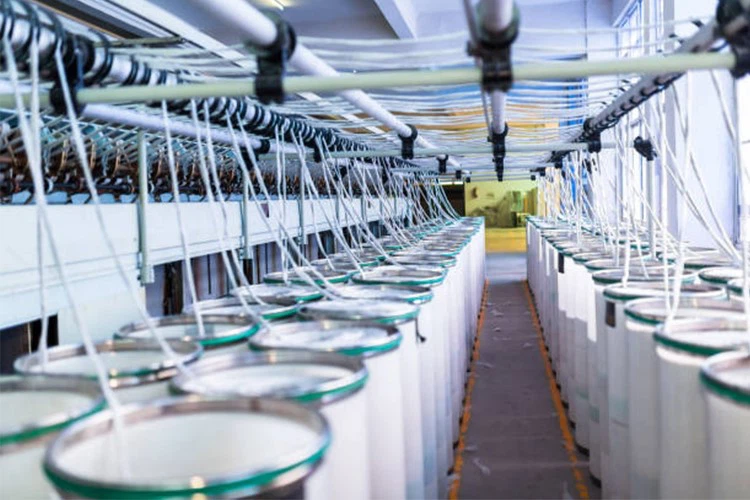
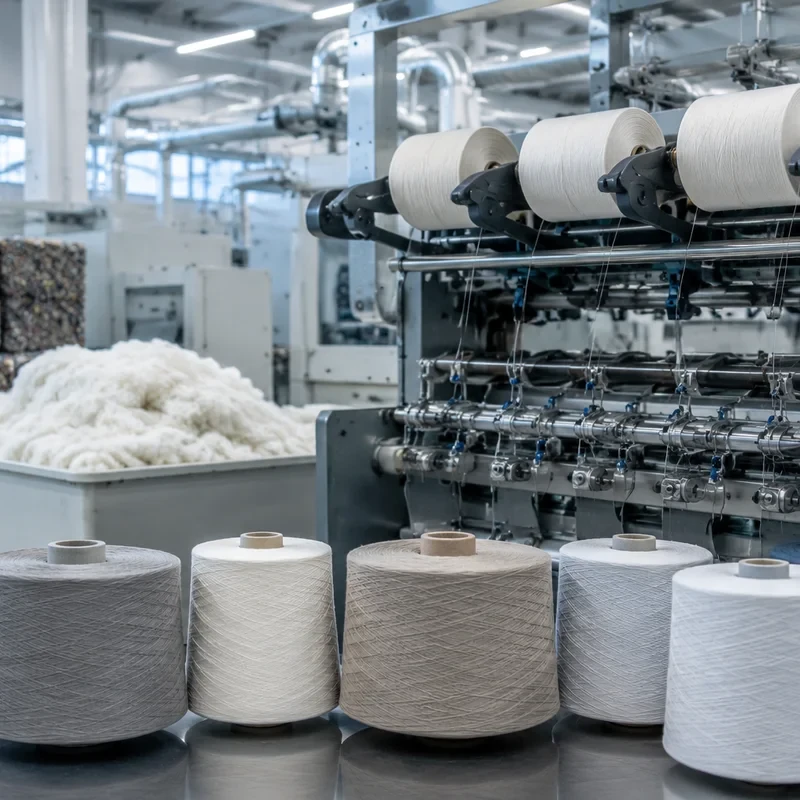
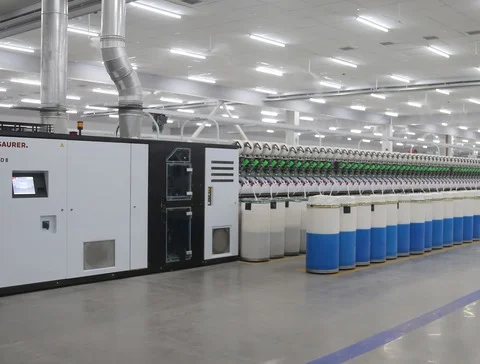
Lead time reliability comes from disciplined production management, not from promises alone. At Maina, stable capacity, clear communication, and process control are all part of the delivery result. Advanced Titan K80 air-jet spinning machines help keep production efficient, while quality inspection during production reduces the chance of late surprises caused by rework or batch issues.
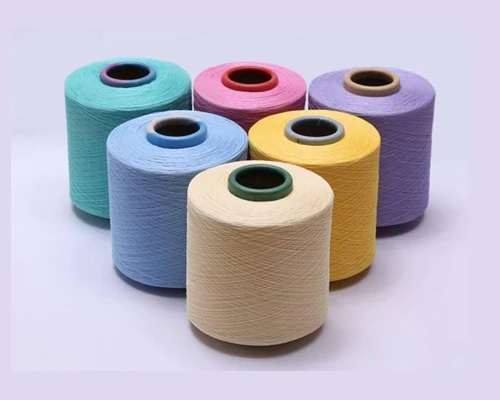
Another key point is coordination. Buyers need confirmation on yarn type, count, color, and schedule early enough for realistic planning. When a supplier responds quickly and keeps milestones visible, both sides can solve issues before they become shipment risks.
What buyers gain in daily operations
Reliable lead times do not only protect one order. They improve the whole purchasing rhythm. Buyers can set leaner reorder points, reduce emergency freight, and maintain stronger confidence in promised customer delivery dates. Over time, that lowers operational stress and improves supply chain efficiency.
For textile buyers looking to reduce inventory pressure without increasing supply risk, dependable lead times are often more valuable than a small price difference. A stable yarn partner helps the entire order chain run with less waste and better control.