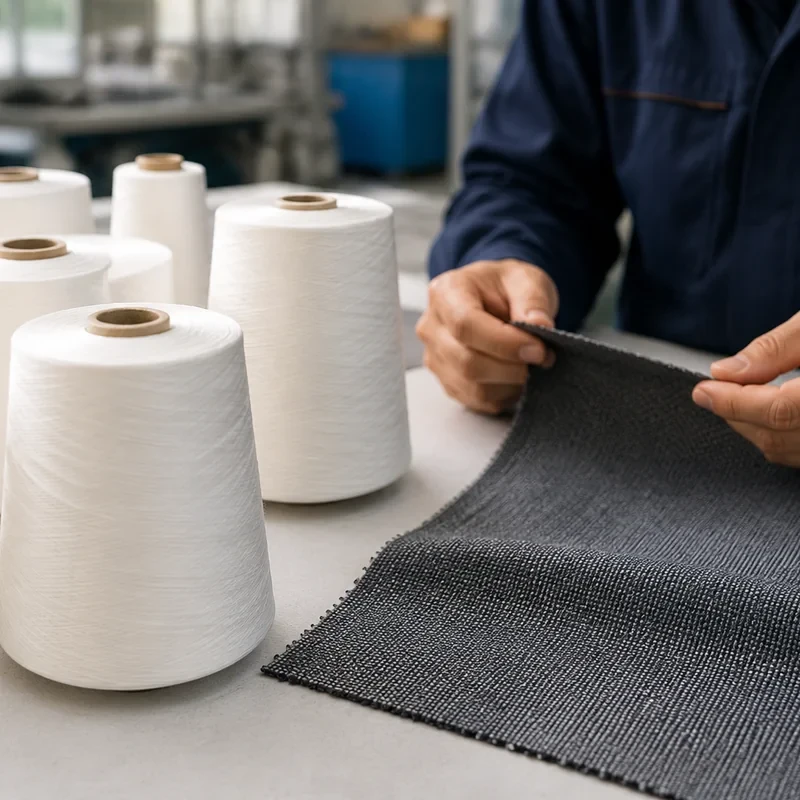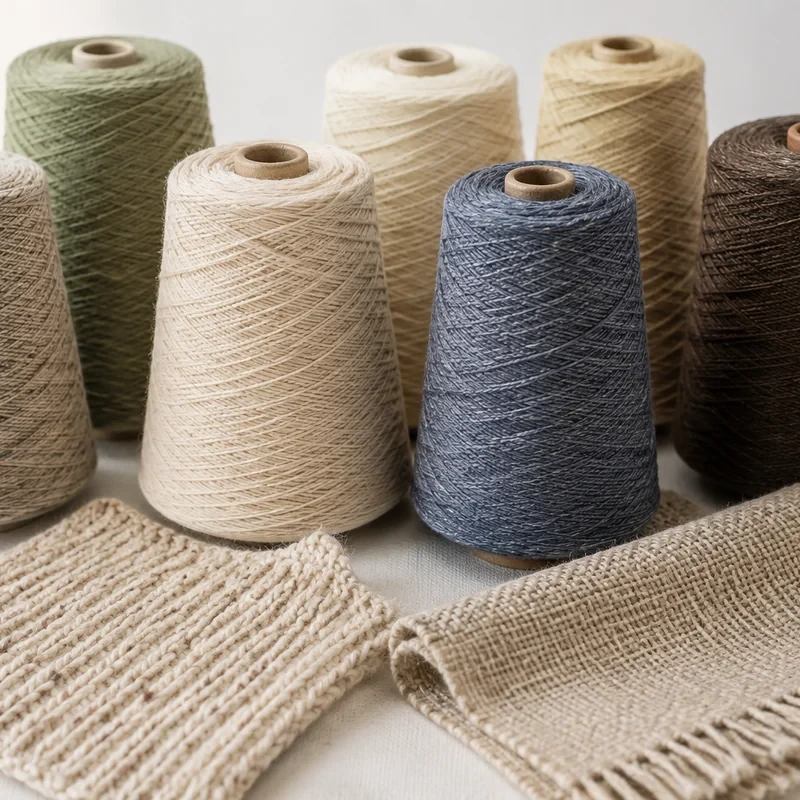
Color is one of the first things customers notice in a textile product, which is why color confirmation should never be treated as a small step before bulk yarn production. A yarn color that looks acceptable in theory may still fail in actual use if it does not match the expected shade, fabric application, or downstream production conditions.
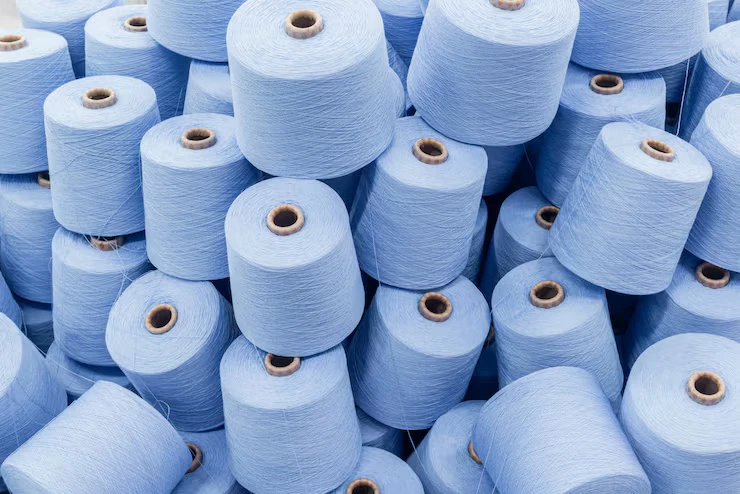
When buyers confirm color early, they reduce the risk of disputes, repeated sampling, and production interruption. Without a clear standard, even a technically correct production run can become a commercial problem if the delivered yarn does not match the customer expectation.
Problems caused by weak color confirmation
If color is not confirmed carefully, the result can include shade variation, rejected goods, delayed shipments, and extra cost from rework. These issues usually affect more than one stage. The yarn supplier may need to adjust production, while the buyer may need to reschedule knitting, weaving, or garment delivery. In severe cases, the final customer can reject the finished goods.
- Reduced risk of color mismatch in bulk lots
- Less chance of delay caused by repeated correction
- Clearer communication between buyer and supplier
- More stable quality expectation across repeat orders
What a good confirmation process includes
Strong color confirmation combines clear reference standards, sample review, and timely feedback. Buyers should verify shade, tone, and intended end use before production starts. It is also useful to confirm how the yarn will appear in the final structure, because knitted and woven constructions may reflect color differently.
Maina supports customers through color and specification confirmation before scheduling bulk production. This step helps align expectations early and protects delivery reliability later. Fast communication is especially important when orders include multiple colors or when the schedule is tight.
Color control supports the whole order
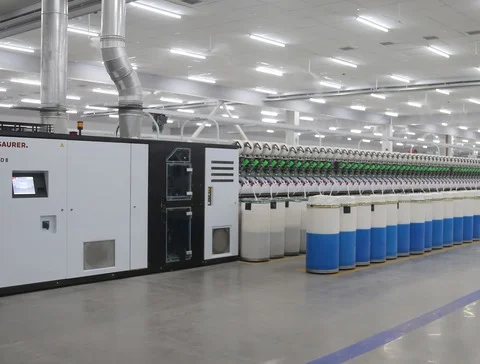
Bulk production runs more smoothly when color has already been approved with confidence. Production planning becomes more stable, inspection standards are clearer, and the risk of last-minute correction drops sharply. For buyers, this means lower hidden cost and fewer surprises after the order enters the line.
Color confirmation matters because it turns visual expectation into a workable production standard. In yarn manufacturing, that step protects both quality and lead time.