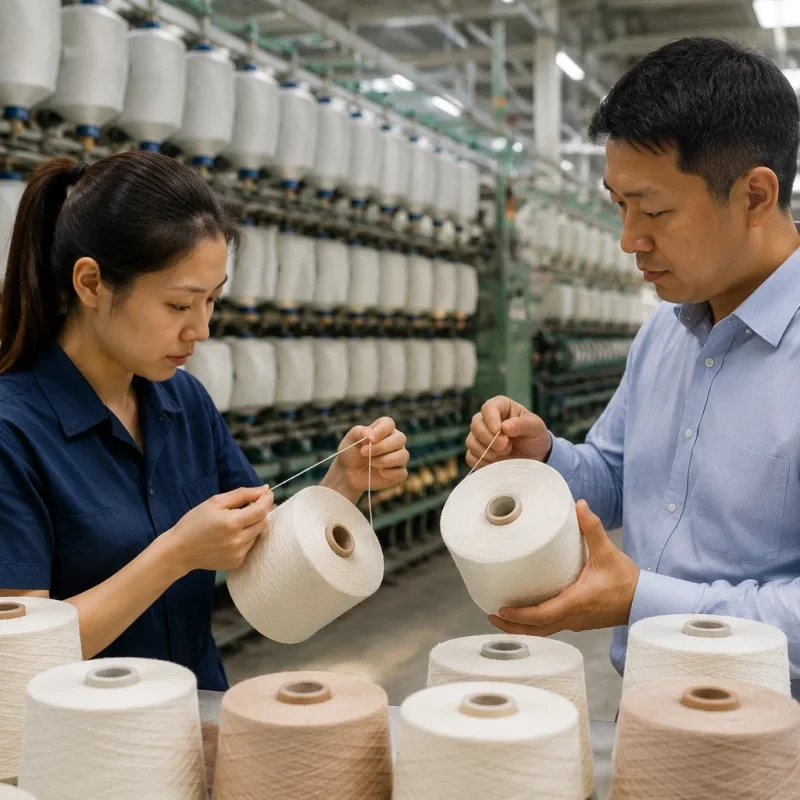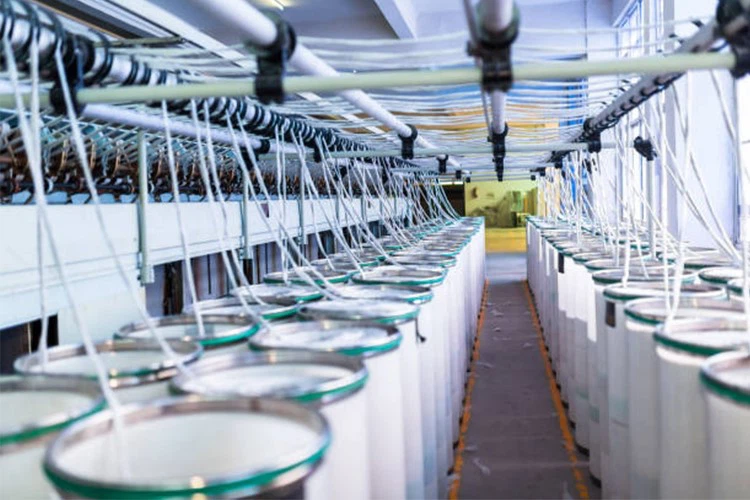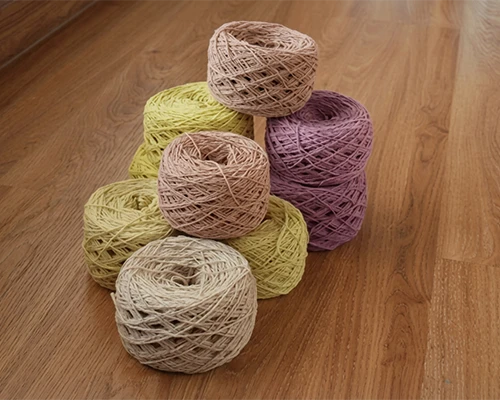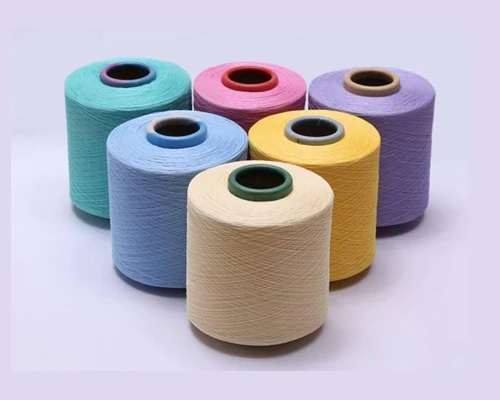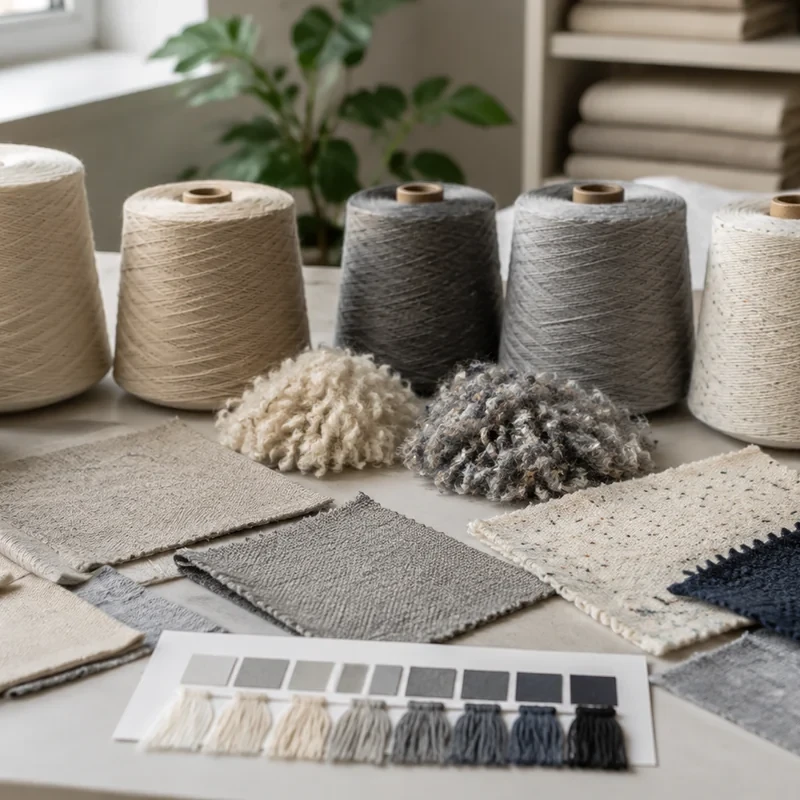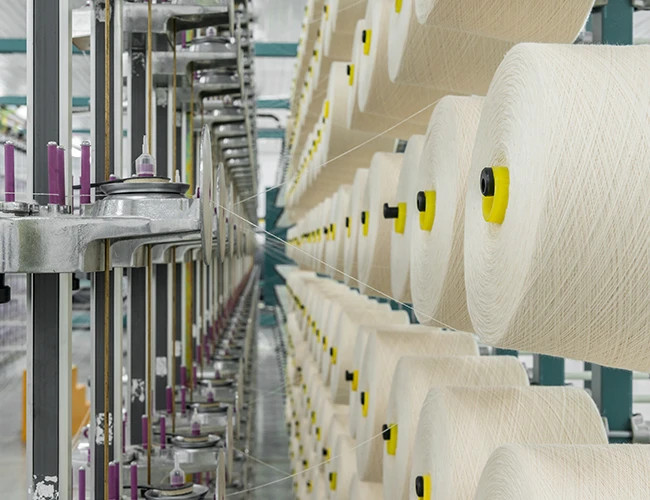
Daily textile manufacturing depends on selecting the right yarn for the job. Yarn is not a single standard material. Different fiber contents, yarn counts, colors, and constructions serve different end products, and a practical understanding of yarn types helps both mills and buyers choose more effectively.
In many factories, the most common categories include 100% cotton yarn, 100% polyester yarn, and polyester cotton blended yarn. Each type offers a different balance of softness, strength, cost, moisture behavior, and application range. Maina supplies yarn counts from Ne 2 to Ne 32, which gives customers flexibility for many woven and knitted programs.
Common yarn types
100% cotton yarn is widely used when natural touch, breathability, and comfort are important. It is common in apparel, towels, gloves, socks, and some knitted fabrics. 100% polyester yarn is often selected for its durability, efficiency, and suitability in products that need practical performance and cost control. Polyester cotton blended yarn combines features from both fibers and is popular in a wide range of daily textile goods.
- Cotton yarn: soft handle and broad apparel use
- Polyester yarn: durable and practical for many regular items
- Polyester cotton blended yarn: balanced performance and flexible use
Where these yarns are used
In weaving, yarn may be used for canvas, plaid fabric, herringbone fabric, and general woven cloth. In knitting, yarn supports rib knit structures, sweaters, scarves, hats, and other soft goods. In industrial and accessory categories, yarn can be used for carpet yarn, cotton rope, sewing cord, and similar products. Some customers also use these yarns in pet toys and other utility items.
The same yarn type can serve very different products depending on count and specification. A lower count may fit heavier or fuller goods, while a finer count may suit lighter fabrics. Color also plays a strong role when customers need product differentiation or brand consistency.
How manufacturers choose correctly
The most efficient way to choose yarn is to begin with the final use. Buyers should confirm whether the priority is softness, wear resistance, cost control, appearance, or production efficiency. Then they can match fiber type, count, and color to the order. Sample development is useful when the end product has special hand feel or strength requirements.
Textile manufacturing runs better when yarn choice is made with real application in mind. Understanding the main yarn types and their uses helps factories reduce trial and error, improve product consistency, and keep production moving smoothly.