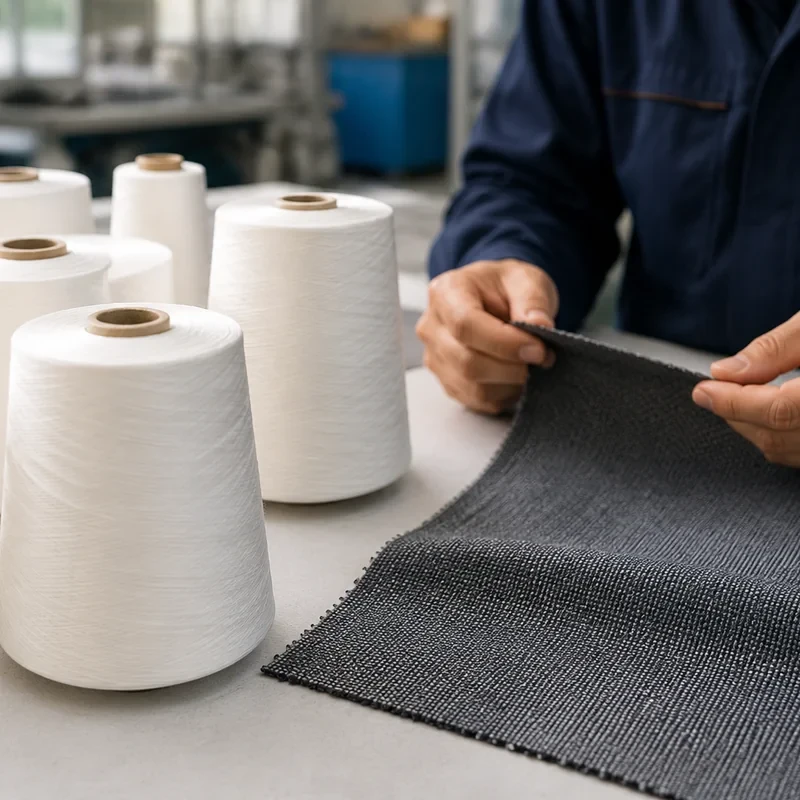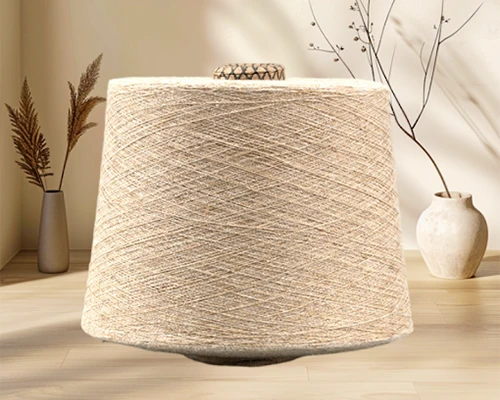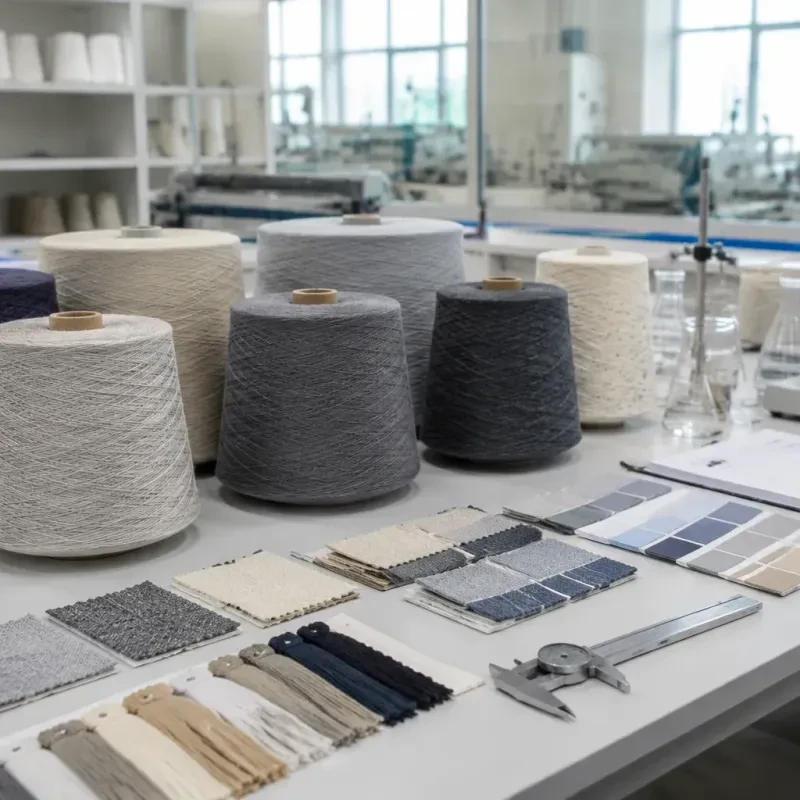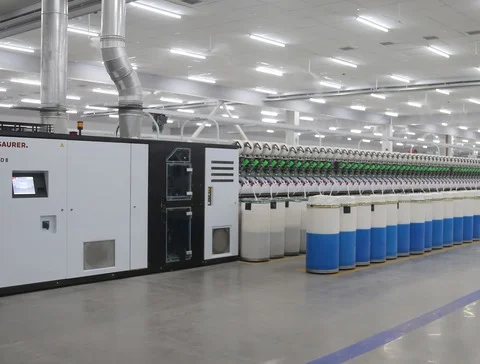
Choosing cotton yarn is not only about price or count. For knitting and weaving, the right yarn must match the machine process, fabric target, and delivery plan. A yarn that works well in one product may create unnecessary problems in another, so buyers should evaluate cotton yarn with both performance and production stability in mind.
The first checkpoint is end use. Knitted fabrics usually place more emphasis on softness, elasticity response, and comfortable hand feel, while woven fabrics often need stronger dimensional stability and better control during loom production. Understanding this difference helps narrow down the right yarn specification early.
Key points to review
Yarn count is one of the most important decisions. Different counts affect weight, surface appearance, and final fabric structure. Buyers should also review yarn evenness and strength, because these factors influence breakage, knitting efficiency, and fabric consistency. If the order requires repeated color programs or strict production scheduling, reliable supply capacity matters just as much as laboratory quality data.
- Confirm the final fabric type and required hand feel
- Match yarn count to knitting or weaving needs
- Check yarn evenness, strength, and batch stability
- Review color and specification confirmation before bulk production
Why process communication matters
A better cotton yarn choice often comes from clear communication between buyer and supplier. If the supplier understands the machine type, fabric construction, and target market, it becomes easier to recommend a suitable yarn instead of a generic option. Sampling can reveal whether the yarn performs correctly in actual knitting or weaving conditions before large quantities are scheduled.
Maina supports customers through selection, sampling, color confirmation, and production coordination. That process is useful because a technically acceptable yarn is not always the best commercial solution. Buyers also need stable delivery, fast response, and consistency across repeat orders.
Make the decision from total value
The better cotton yarn is the one that helps production run smoothly and supports the final product standard. That includes fabric quality, machine efficiency, and dependable lead time. Choosing with this broader view reduces waste, lowers adjustment costs, and improves order confidence.
For knitting and weaving orders, a balanced review of yarn quality, application fit, and supplier reliability is the most practical way to choose better cotton yarn.