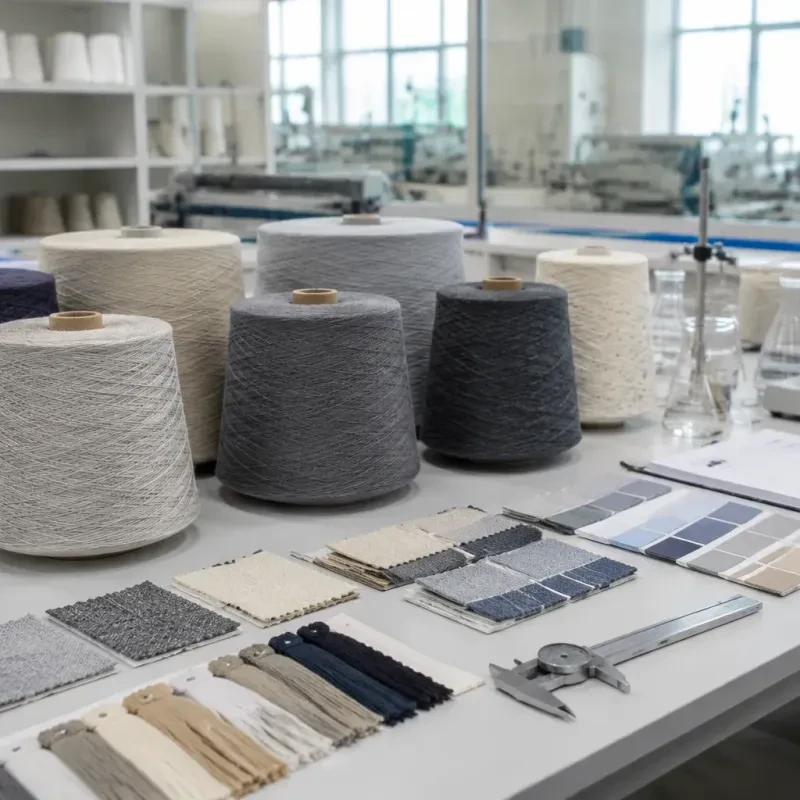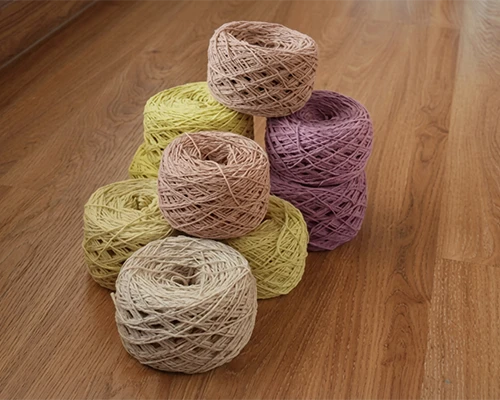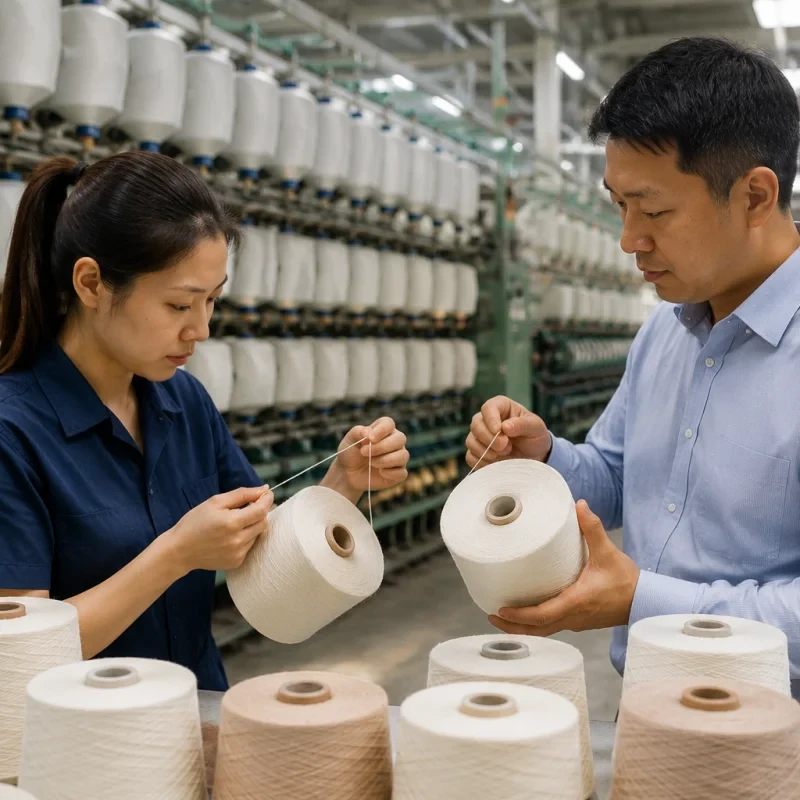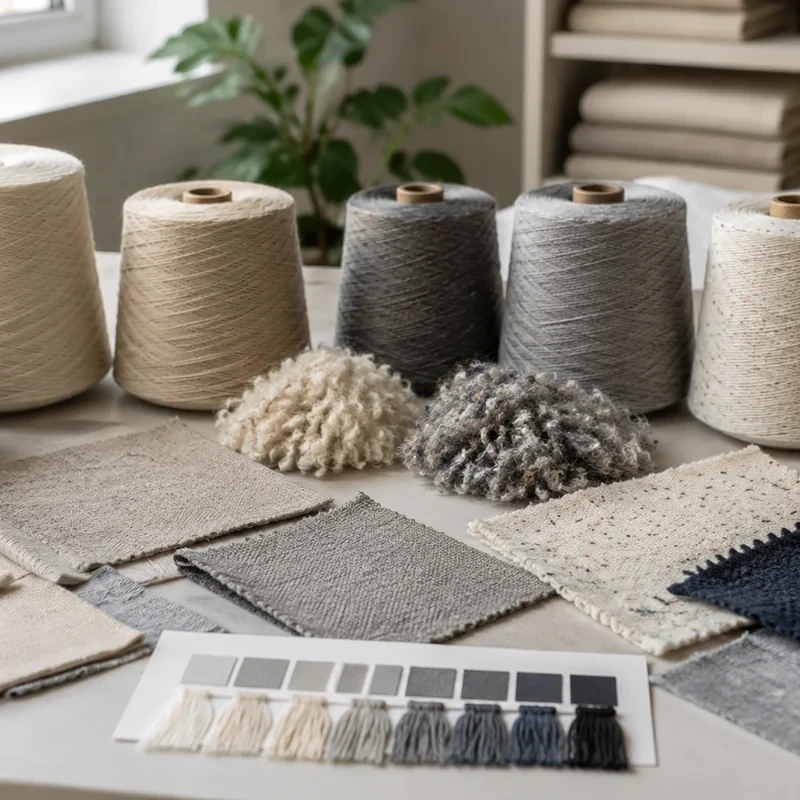
A cotton yarn sample can look clean on a cone and still leave important purchasing questions unanswered. Before approving a bulk order, connect the sample to a written specification, examine how it is wound, review the evidence behind its composition and construction, and check it in the process that will turn it into a finished textile.
For buyers sourcing 100% cotton yarn, a useful inspection record separates what can be seen from what requires measurement or a production trial. The following workflow helps a textile buyer turn a sample review into clear acceptance decisions without assuming that appearance alone proves quality.
Identify the Sample Before Inspecting It
Start by recording which proposed order or production lot the sample represents. Keep its supplier reference, sample date, yarn specification and package identification together. Establish whether it is a development sample, a sample from the proposed production lot or a retained reference from an earlier order. These are different kinds of evidence.
Check the written description against the purchasing requirement: fiber composition, count with its numbering system, single or plied construction, spinning method where specified, twist, shade or finish, and package format. If a field is missing or uses unfamiliar units, resolve it before comparing the sample with another supplier's offer.
For an incoming bulk shipment, agree a sampling plan that covers the relevant lots and packages. A single attractive cone is not enough to establish that an entire shipment matches the approved reference. Record how samples were selected so a later inspection can be compared on the same basis.
Check the Package and Unwinding Condition
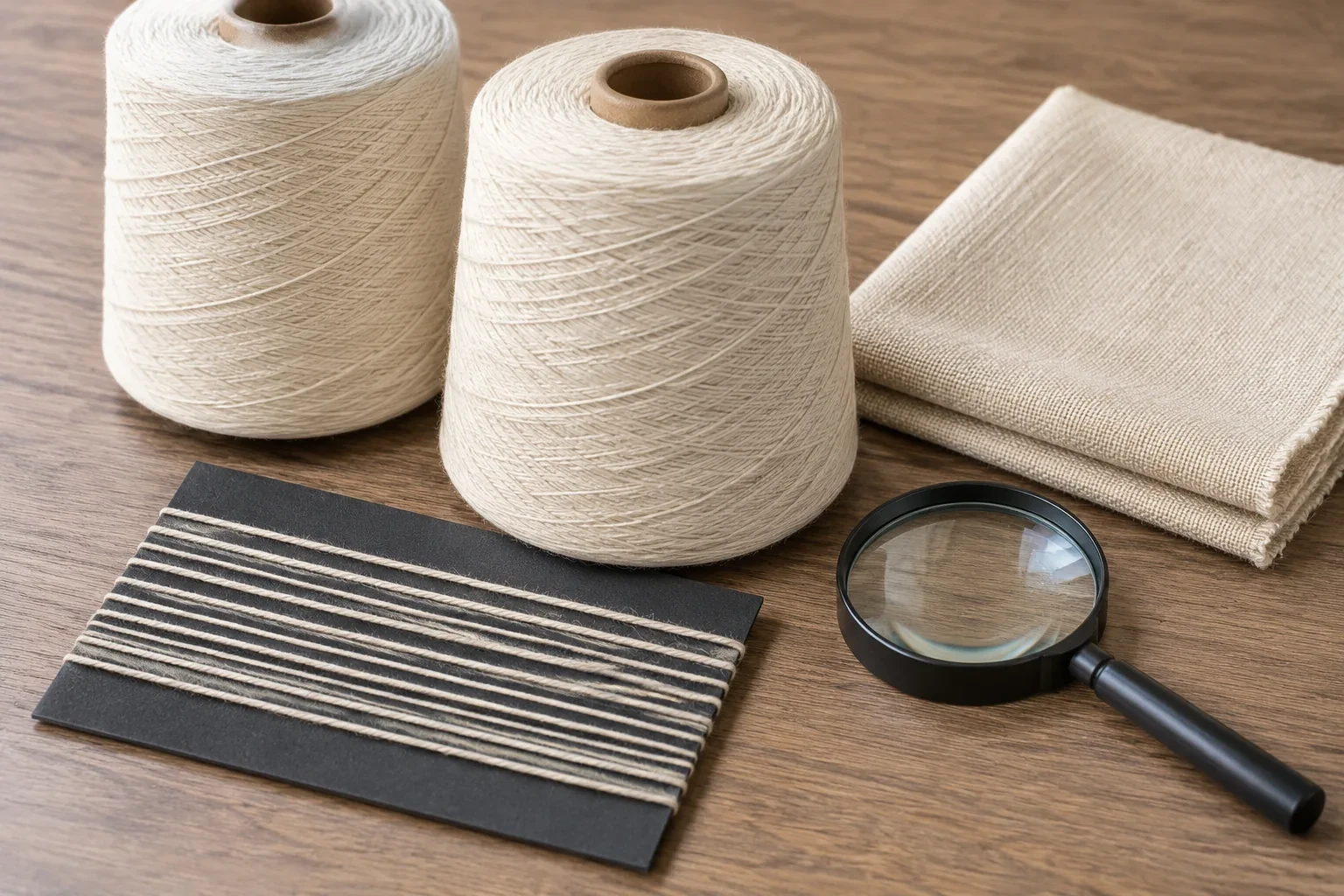
Inspect the cone or package for damage, soiling, loose winding, crushed edges or obvious differences between sampled packages. Check that package identification and the stated net weight follow the order requirements. Where weight is part of acceptance, distinguish yarn weight from the cone and other packaging.
Unwind a sample under suitable handling conditions. Note snagging, sloughing, tangled layers, knots or inconsistent release from the package. Some problems only become clear during feeding or rewinding, so record observations rather than deciding from the outer surface alone. Do not assume that a hand unwinding check reproduces production speed or tension.
Examine Visible Yarn Appearance Consistently
Compare sample lengths under consistent lighting against a contrasting background or an agreed yarn inspection board. Look for visible thick or thin places, localized fiber clusters, foreign matter, shade differences and variation in surface hairiness. Use the same viewing arrangement for the proposed sample and the approved reference.
Describe what you observe and where it occurs. A photograph of a localized fault is more useful when it is linked to a package reference and sample location. Avoid rejecting or approving yarn solely because it looks more or less hairy than another construction; the relevant question is whether the agreed yarn and finished textile requirements are met.
Appearance cannot establish all-cotton composition, count accuracy or yarn strength. Treat the visual review as one part of the evidence, with measurements and application checks assigned to the questions it cannot answer.
Match Each Requirement to the Right Evidence
| Requirement | Evidence to request or agree | Limit of a visual check |
|---|---|---|
| Fiber composition | A composition declaration and appropriate test evidence when verification is required | Color, softness and hairiness do not confirm 100% cotton content |
| Count, ply and twist | A complete written construction and measurements using agreed methods and units | Apparent thickness does not establish the specified count or twist |
| Strength and consistency | Relevant test results identified to the sample or lot, with agreed acceptance limits | Pulling a short length by hand is not a substitute for a defined test |
| Shade and finish | An approved physical reference and an agreed viewing or assessment procedure | A screen image can change with lighting, camera and display settings |
| Production suitability | A documented trial in the intended weaving, knitting or other process | A good-looking cone cannot confirm finished textile behavior |
When reviewing a test report, check the sample identification, date, method, units and reported conditions. Ask whether it relates to the sample being offered or a different lot. If your order needs independent verification, agree the test scope and sample selection before submission. Do not invent acceptance limits after seeing the result.
Material origin and fiber composition also need separate treatment. A composition result does not, on its own, establish organic certification or whether the cotton is virgin or recycled. Handle any origin or certification requirement through the relevant traceability and product documentation.
Run a Trial That Represents the Intended Use
For weaving, explain whether the yarn is intended for warp or weft and assess it with the planned fabric construction and preparation. For knitting, record the knitting process and relevant machine conditions. For towels or other finished textiles, include the intended washing or finishing stage in the evaluation.
Keep a short trial record: which yarn was used, the conditions, adjustments, observed feeding or breakage issues, and the resulting fabric appearance. Assess the characteristics that matter to the product, such as handle, visible faults, shade or dimensions after the intended care process. Compare alternatives under comparable conditions rather than attributing every difference to yarn alone.
Approve, Hold or Resolve the Sample in Writing
An inspection should end with a clear disposition. Approve a sample only against the agreed specification and evidence. If information is missing, place it on hold and list the unresolved questions. If a mismatch is found, identify the affected reference and requirement, then agree whether the next step is clarification, another sample or a revised proposal.
- Identify the approved yarn and retained sample or fabric reference.
- Attach the accepted specification and relevant inspection or test records.
- Record any agreed exceptions explicitly.
- Define how the bulk shipment will be sampled and checked.
- Keep the lot identification and inspection records available for repeat orders.
Taishi Textile supports yarn selection, sampling, color confirmation, quality inspection and shipment follow-up. When discussing a cotton yarn order, share your application, proposed construction, reference sample and required checks so the inspection scope can be clarified before production.
Common Inspection Questions
Can I confirm pure cotton yarn by touch?
No. Touch and appearance can help compare samples, but they do not reliably establish composition. Use appropriate documentary and test evidence for the level of verification your order requires.
Should every visible variation lead to rejection?
Assess the observation against the agreed specification and its relevance to the finished textile. Record its location and extent, compare it with the retained reference, and resolve unclear acceptance criteria with the supplier before deciding.
Is an approved development sample enough for a bulk shipment?
It provides a reference, but it does not replace the agreed checks on the actual shipment. Maintain the connection between the approved sample, production lot and incoming inspection record.