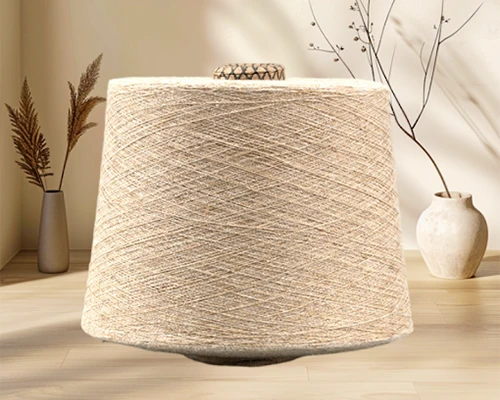
Regenerated yarn and recycled yarn are often discussed together, but the two terms do not always describe exactly the same thing. Suppliers may use them to emphasize different parts of the material story, and the wording can vary by product range. For textile buyers, the practical question is not which label sounds better. It is whether the supplier can clearly explain the fiber composition, yarn construction, intended use, sample standard, and production process behind the label.
Start with the material definition
Recycled yarn generally describes yarn made with recovered material that has been processed for use again. The recovered input may include recycled polyester, recycled cotton, or a cotton and polyester blend, depending on the product. Regenerated yarn can also refer to yarn made from recovered or reprocessed fibers, but some suppliers use the word as a broader product category rather than as a precise technical classification.
Because the terms overlap, buyers should ask for the exact composition and source of the material instead of relying on the product name alone. A clear quotation should state the fiber type or blend, yarn count, spinning method, color treatment, and planned application. This gives the buyer a specification that can be checked during sampling and bulk production.
Why the distinction matters to textile buyers
The label affects how a buyer starts a sourcing discussion, but the end product determines what needs to be confirmed. Yarn for knitting, weaving, towels, fabrics, carpets, blankets, socks, gloves, ropes, or mops may require different priorities. A buyer developing a knitted fabric may focus on appearance, hand feel, and running performance. A woven product may require closer attention to yarn consistency and behavior under warp or weft tension.
There is no single yarn choice that is automatically suitable for every recycled or regenerated application. The supplier should understand the finished product and recommend a sample that can be evaluated in the intended process. This is especially important when the buyer is comparing a regenerated yarn supplier with a recycled yarn manufacturer in China, because similar marketing terms can hide different compositions or constructions.
Compare fiber composition and yarn construction
Fiber composition is the first technical comparison. Ask whether the yarn is based on recycled polyester, recycled cotton, a recycled cotton polyester blend, or another stated composition. If the product is a blend, the ratio should be written consistently in the quotation, sample label, order documents, and packing information. Clear wording reduces confusion when the yarn moves from product development to purchasing and inspection.
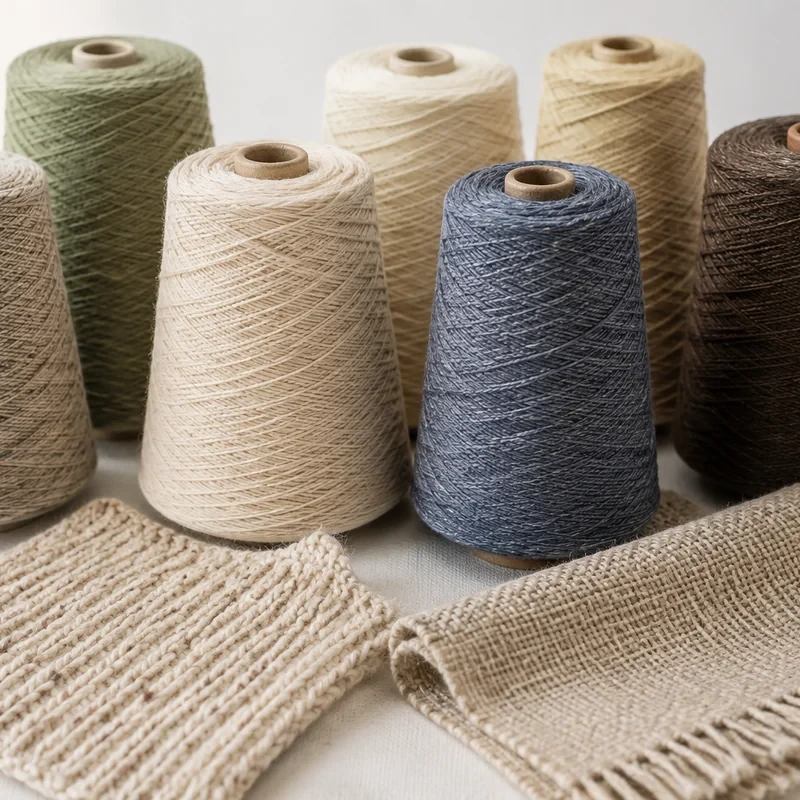
Yarn construction is equally important. Open end carded yarn, ring spun yarn, and twisted yarn are different options to evaluate against the final textile. Count and ply should be discussed together with the application. A buyer may compare options within ranges such as 1s-2s, 2s-20s, 6S, 8S, 10S, 12S, 16/1, 21/1, 32/1, or Ne0.5s-Ne30s when those ranges fit the product being developed. The appropriate count is the one that works with the planned fabric or product, not simply the finest or heaviest option available.
Use sampling to test the real difference
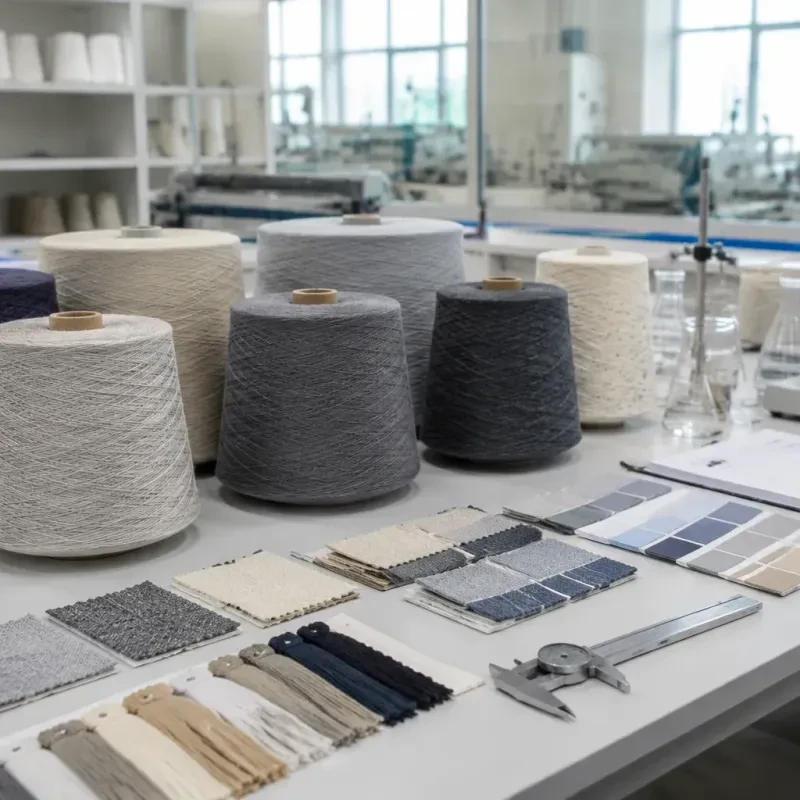
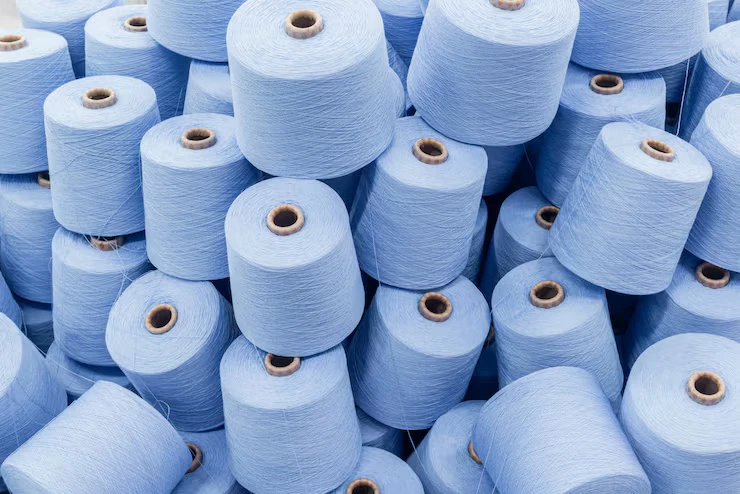
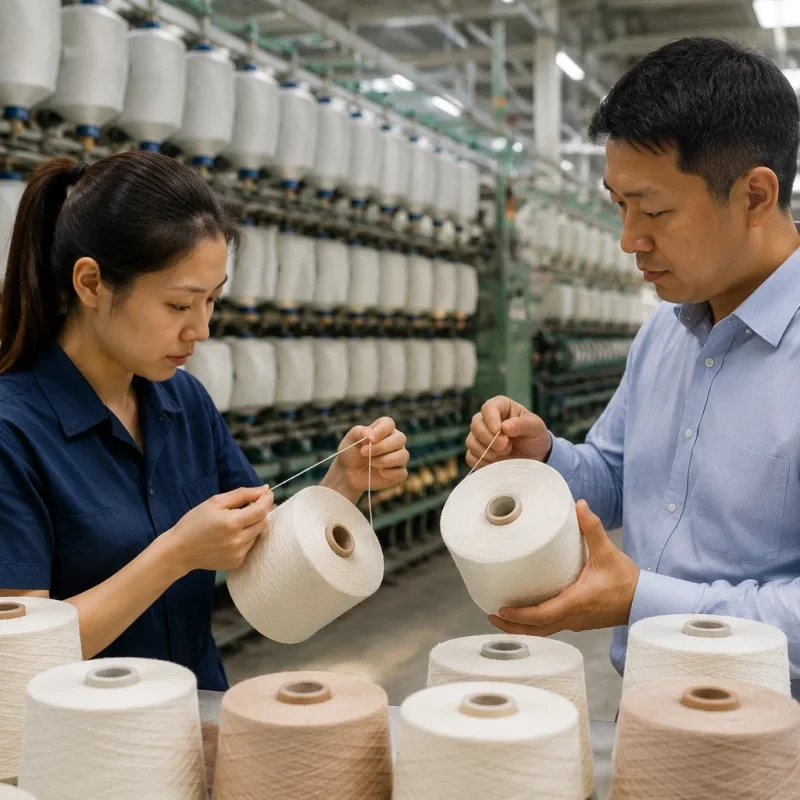
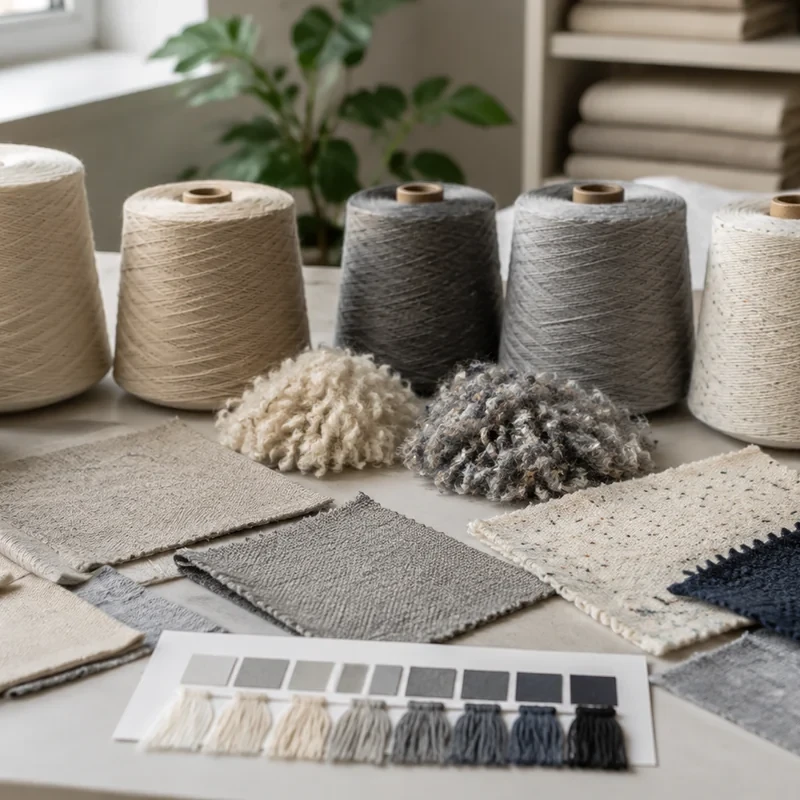
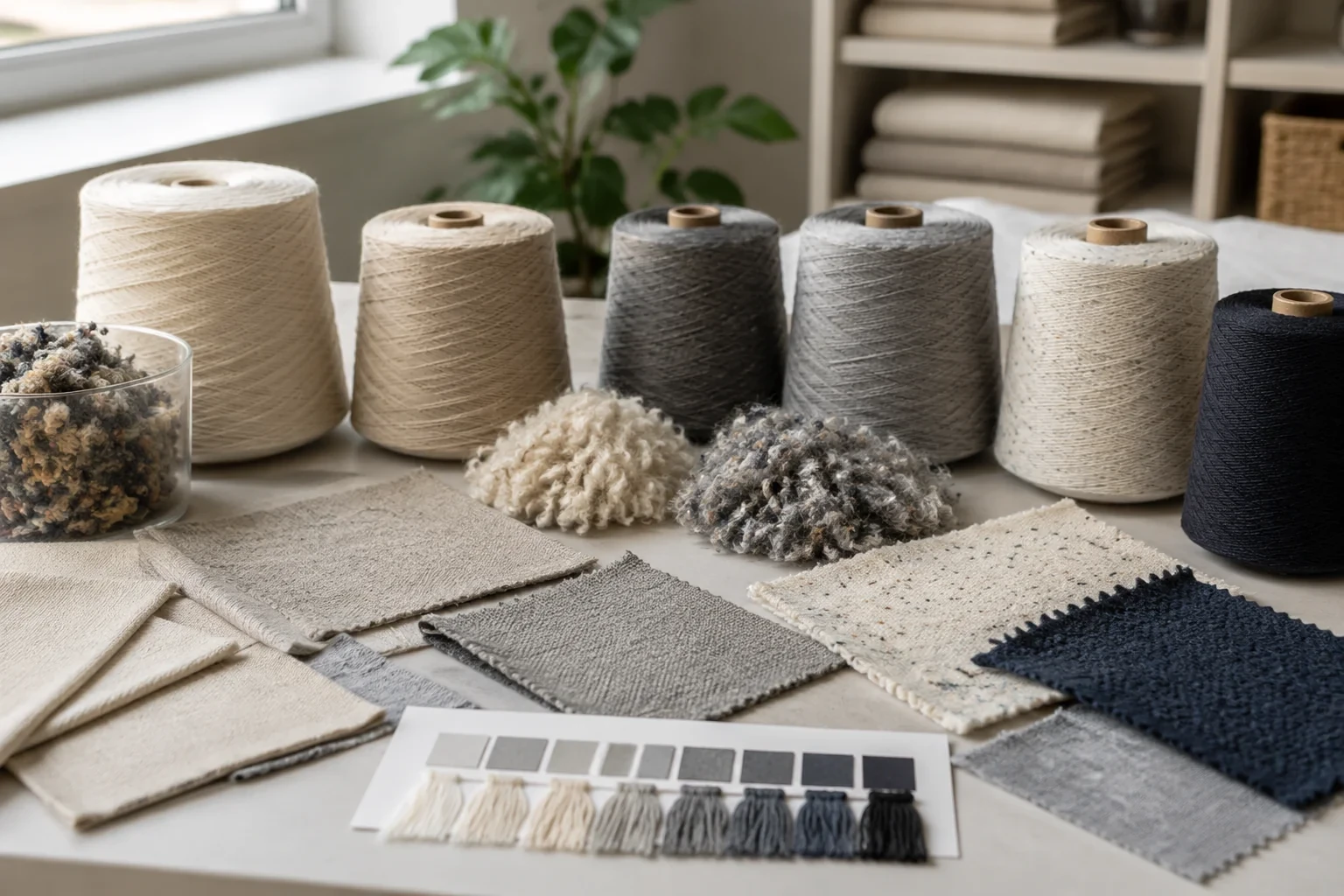
A sample allows a buyer to compare the yarn in a realistic context. Review the cone appearance, winding, color, surface, hand feel, and basic running behavior. If the yarn is intended for knitting or weaving, testing it on the planned machine or with a representative process can reveal issues that are difficult to judge from a specification sheet.
For a useful comparison, keep the test conditions consistent. Use the same product construction, machine settings where practical, color reference, and evaluation criteria for each sample. Record which composition and yarn construction produced the preferred result. The approved sample can then serve as a reference when the supplier schedules bulk production.
Questions to ask before a bulk order
- What recovered or recycled fiber is used in the yarn?
- Is the composition a single fiber or a stated blend, and how is the ratio documented?
- Which yarn count, spinning method, twist, and ply are proposed for the application?
- Can the supplier provide a sample in the required color and construction?
- How should the approved sample be used during production and quality inspection?
- Which differences between sample and bulk production should be reported before shipment?
Choose according to the finished textile
For buyers, the safest way to compare regenerated yarn and recycled yarn is to move from the name to the evidence. Define the finished product, request the exact composition, compare count and construction, and evaluate a physical sample before confirming the order. This approach also makes communication about color, production scheduling, quality inspection, and shipment follow-up more precise.
Taishi Textile supplies recycled and regenerated yarn options together with polyester yarn, cotton yarn, blended yarn, open end carded yarn, ring spun yarn, melange yarn, twisted yarn, mop yarn, towel and fabric yarn, carpet and blanket yarn, socks yarn, glove yarn, hammock yarn, and knitting or weaving yarn. Buyers can use the intended application and agreed sample as the starting point for a more focused yarn selection discussion.