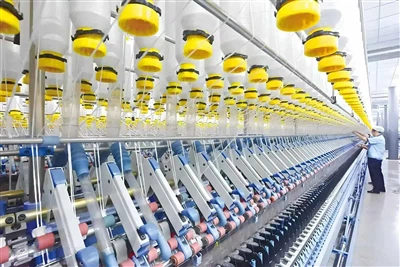
Polyester spun yarn can be a practical option for industrial fabrics when the yarn construction is matched to the fabric structure, machine conditions, and finished use. Buyers comparing a polyester spun yarn manufacturer should look beyond the fiber name and confirm the yarn count, spinning method, twist, strength target, color, and sample performance before approving a bulk order.
Start with the industrial fabric application
Industrial fabrics cover many different products, so the right yarn depends on what the fabric must do. A woven material, a knitted construction, a canvas-style fabric, a rope-related product, and a textile component for cleaning or handling can place different demands on the yarn. The required flexibility, surface appearance, structure, and production speed should be described before a supplier recommends a specification.
Share the fabric construction, machine type, intended use, approximate order volume, and any known quality limits when requesting a quotation. This gives the supplier enough context to compare a standard polyester spun yarn with a ring spun, open end, high tenacity, or twisted option where those constructions fit the application. It also prevents a general product description from being treated as a complete technical specification.
Why polyester spun yarn may suit industrial fabrics
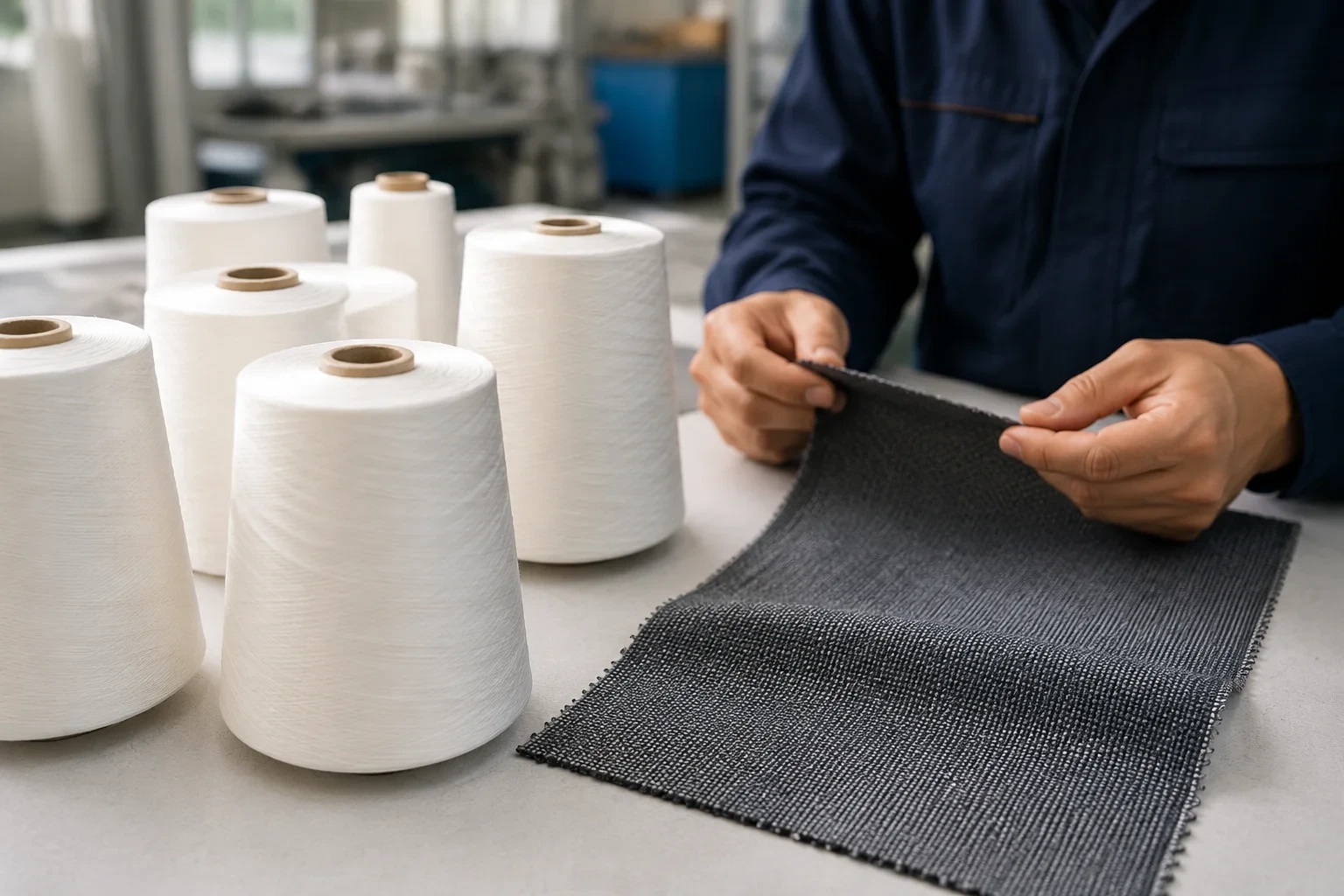
Polyester spun yarn gives buyers several construction and sourcing options within one broad material category. The yarn can be discussed by count, spinning route, twist, ply, color treatment, and intended end use. This makes it possible to compare a specification for a structured woven fabric with one for a softer or more flexible textile product instead of treating every polyester yarn as interchangeable.
The potential advantage is therefore a better fit between yarn design and the finished fabric, not an automatic performance result. A suitable choice still depends on the machine and the fabric design. If the yarn is too coarse, too fine, too soft, or too tightly twisted for the process, the material may create avoidable handling or appearance issues even when the fiber type is acceptable.
Compare spinning methods and yarn construction
Spinning method affects the way a buyer should evaluate a sample. Open end carded yarn and ring spun yarn are different constructions, and a twisted yarn may be considered when the fabric or product needs a particular handling or structural result. High tenacity polyester spun yarn can also be discussed for applications where the buyer has a defined strength requirement, but the requirement should be confirmed through an agreed test method rather than assumed from the product name.
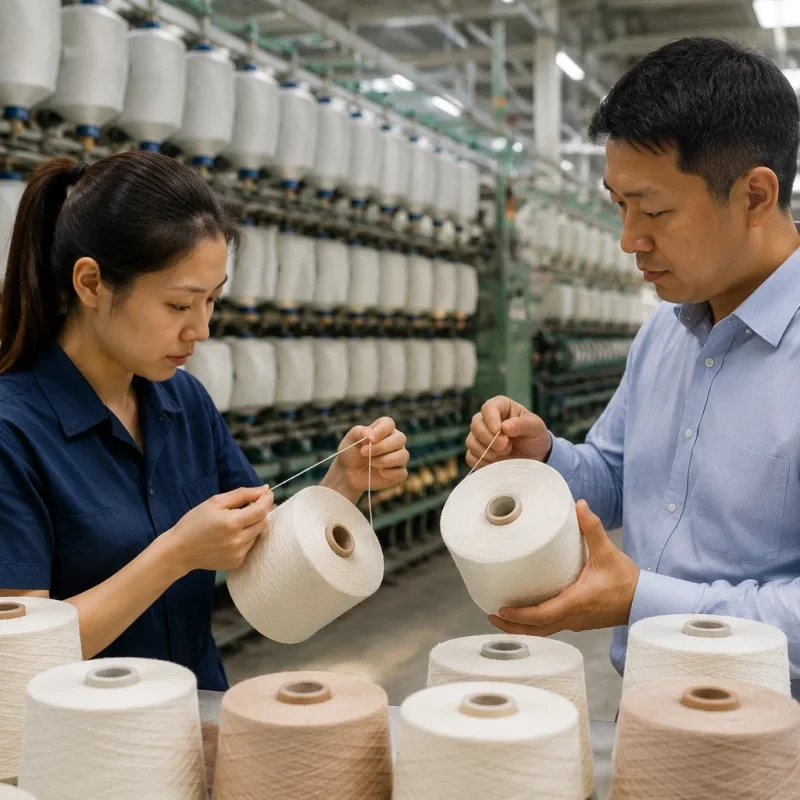
Ask the supplier to identify the proposed construction clearly on the quotation and sample label. If two yarns use the same fiber but different spinning methods or ply structures, test them under comparable conditions. Recording the machine settings, fabric construction, and observed result makes the comparison more useful when the project moves from sampling to production.
Match count, twist, and ply to the fabric
Yarn count influences the scale, weight, coverage, and appearance of the fabric. The appropriate count is determined by the fabric design and process requirements, not by choosing the finest or heaviest option available. Buyers should state the target count or acceptable range and ask how the proposed yarn will work with the planned warp, weft, knitting, or downstream operation.
Twist and ply should be reviewed at the same time. A single yarn and a multi-ply twisted yarn can behave differently during feeding and fabric formation. When twist direction or ply is important, include it in the sample approval record. A clear record helps both sides check whether the bulk order matches the approved construction.
Review surface and color requirements
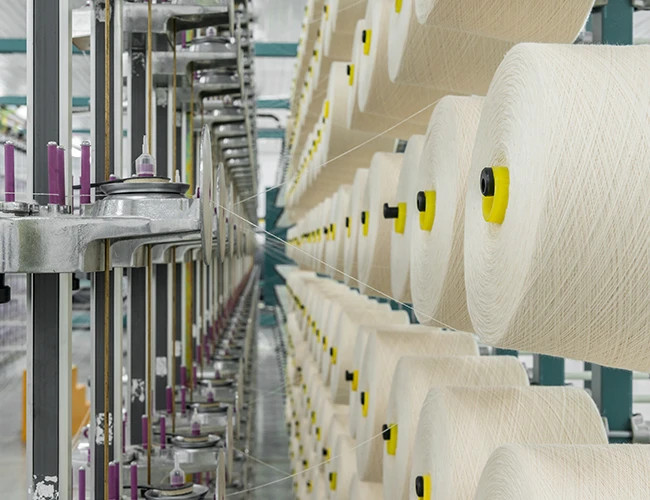
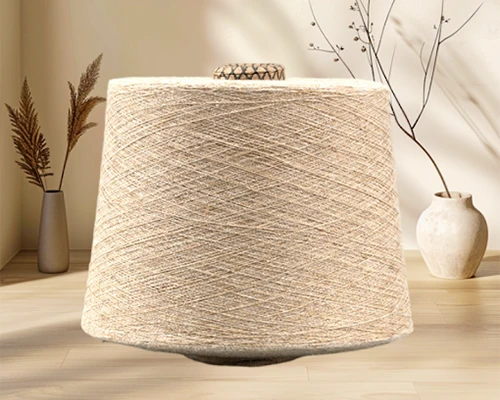
Industrial fabric buyers may have different expectations for surface appearance. A visible fabric component may require a controlled appearance and consistent color, while a utility product may prioritize a different balance of structure, handling, and cost. Inspect the cone for winding consistency, obvious thick or thin places, excessive hairiness, oil marks, foreign fibers, and shade variation before putting the yarn into a full trial.
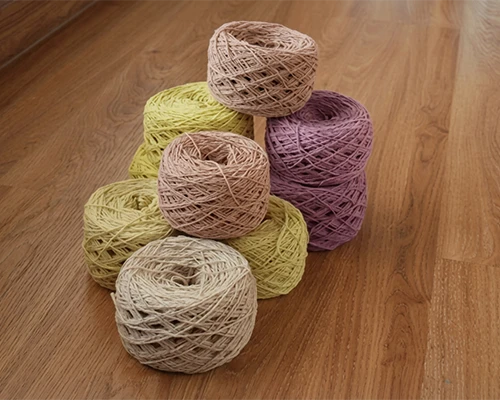
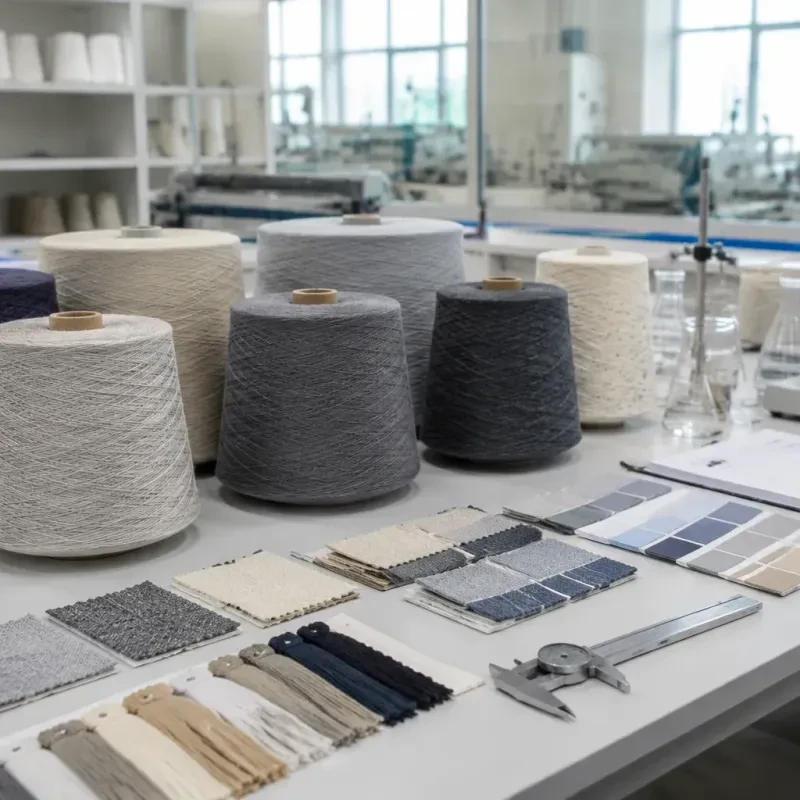
Color should be approved against a physical reference whenever possible. Bleached white, dyed, melange, and raw-pattern options can look different under changing light, so a digital image alone is not a reliable approval standard. For repeat orders, retain the approved sample and record the shade reference with the purchase documents.
Use a production sample before a bulk order
A sample run is the most useful way to check whether the proposed polyester spun yarn fits the actual industrial fabric process. Use the intended machine or a representative setup and record yarn breaks, feeding behavior, winding, surface appearance, fabric defects, and any adjustment made during the trial. The evaluation should reflect the finished product rather than only the appearance of the yarn cone.
Keep the approved yarn sample, fabric sample, and written specification together. If the buyer changes the fabric construction, machine settings, color, or target use, ask the supplier to review the yarn recommendation again. This simple discipline reduces the risk of using an old sample as the reference for a materially different order.
Questions to confirm with the supplier
- Which fabric construction and end use is the proposed yarn intended to support?
- What are the yarn count, count tolerance, spinning method, twist, and ply?
- Is the yarn standard polyester spun yarn, ring spun, open end, high tenacity, or twisted?
- Which color reference and shade tolerance will be used for approval?
- Can the yarn be tested on the intended machine before bulk production?
- How will the approved sample be checked during production, packing, and shipment?
Build a clear purchasing specification
| Specification area | What to record | Why it matters |
|---|---|---|
| Application | Finished fabric, machine, construction, and end use | Connects the yarn choice with actual production conditions |
| Yarn construction | Fiber, count, spinning method, twist, and ply | Prevents different yarns from being compared under one broad name |
| Appearance | Winding, surface, color reference, and acceptable variation | Creates a practical sample and bulk-order standard |
| Testing | Machine trial, inspection points, and approval record | Shows whether the yarn works in the intended process |
| Delivery | Packing, labeling, shipment checks, and retained samples | Supports repeat orders and clearer receiving inspection |
Work with the application in mind
The advantages of polyester spun yarn for industrial fabrics are easiest to assess when the buyer defines the production problem first. A supplier can then recommend a suitable count, construction, color treatment, and sampling method based on the fabric rather than offering a generic yarn description. The final decision should be supported by a written specification and a sample tested under representative conditions.
Taishi Textile supplies polyester spun yarn together with recycled and regenerated yarn, cotton yarn, blended yarn, open end carded yarn, ring spun yarn, twisted yarn, and yarn for knitting, weaving, towels, fabrics, carpets, blankets, socks, gloves, mops, hammocks, and ropes. Buyers can share the industrial fabric application, required construction, color direction, and sample standard to begin a more focused yarn selection discussion.