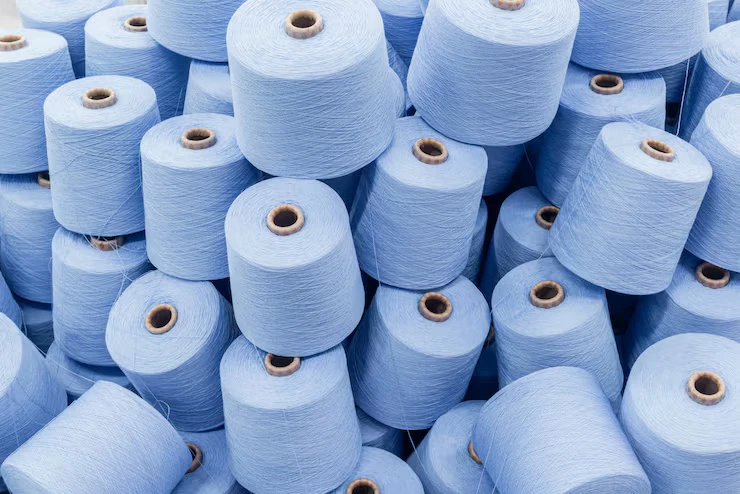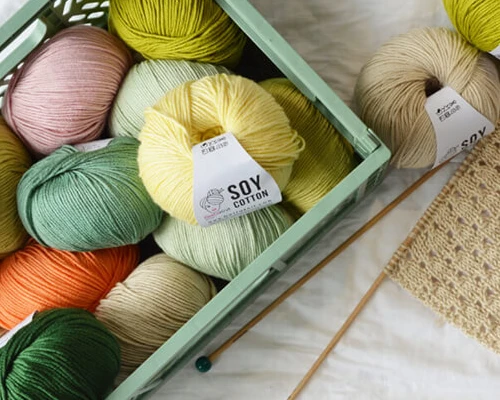
Blended yarn is widely used in textile manufacturing because it combines the strengths of different fibers in one practical material. For many buyers, polyester cotton blended yarn offers a useful balance between comfort, durability, process stability, and commercial value. That makes it a strong option for products such as apparel, towels, gloves, and socks.
Each of these product groups has different performance needs. Apparel often needs comfortable touch and reliable appearance. Towels require usable absorbency and structure. Gloves and socks need durability for repeated wear. A blended yarn can help manufacturers reach a balanced result without depending on a single fiber property alone.
Why blended yarn is practical
By combining fiber characteristics, blended yarn can provide flexible performance for a broad range of products. It is often chosen when customers want a sensible mix of softness, strength, and production efficiency. This is especially valuable for factories that handle multiple product lines and need material options that work across several categories.
- Supports a balanced hand feel and practical durability
- Adapts well to many daily textile applications
- Can help improve cost and performance balance
- Suitable for both knitting and weaving programs
Application examples
In apparel, blended yarn can be used in casual knitwear, sweaters, hats, and scarves where comfort and regular wear performance both matter. In towels, the right blend may help support the structure needed for frequent use. In gloves and socks, blended yarn can contribute to durability while keeping production practical for larger volume orders.
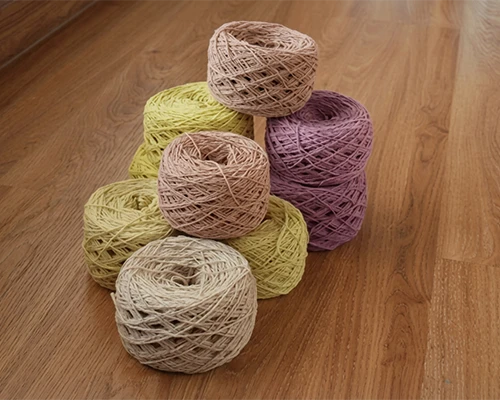
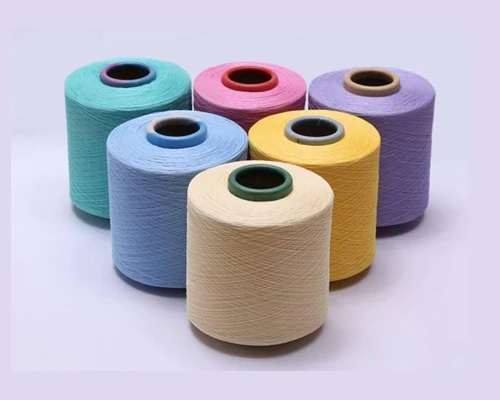
Maina supplies blended yarn in multiple counts and colors, which allows buyers to match product goals more precisely. Count selection and specification confirmation remain important, because different product categories will still require different constructions and performance priorities.
Selection should follow the final use
Even when blended yarn is a flexible solution, buyers still need to evaluate the final application carefully. Product thickness, surface appearance, machine type, and target market all influence the best blend and count choice. Sample testing is a useful step before mass production when the product has a specific quality target.
For textile manufacturers serving apparel, towels, gloves, and socks, blended yarn remains a dependable option because it supports commercial practicality and application versatility at the same time.