Stable yarn quality across batches is essential for textile buyers who depend on repeatable results in weaving, knitting, and downstream product manufacturing. If one batch differs too much from the next, customers can face machine adjustments, fabric inconsistency, color issues, and delays. This is why in-process inspection is so important in yarn production.
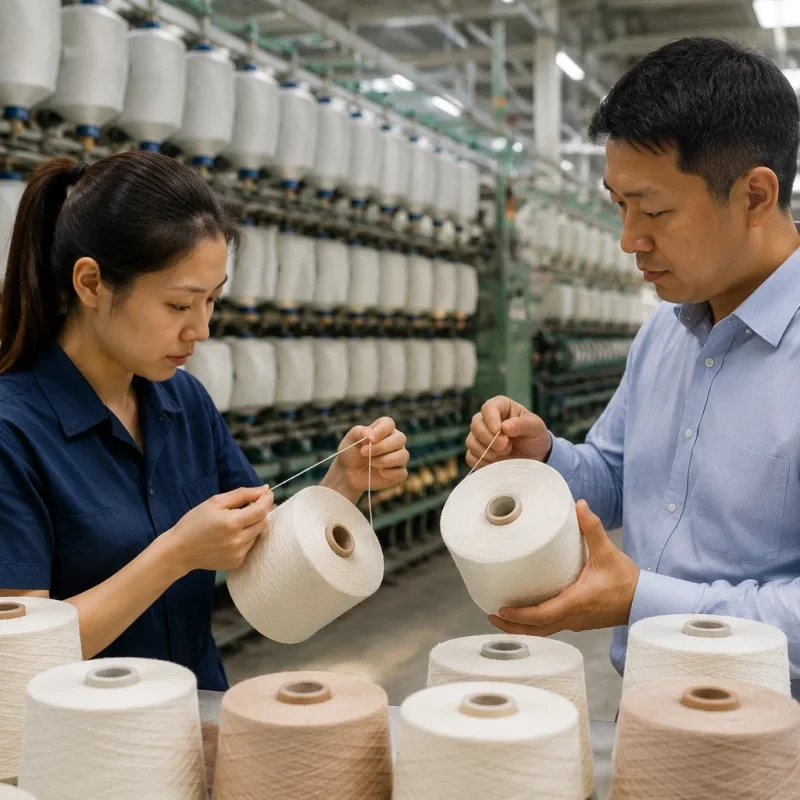
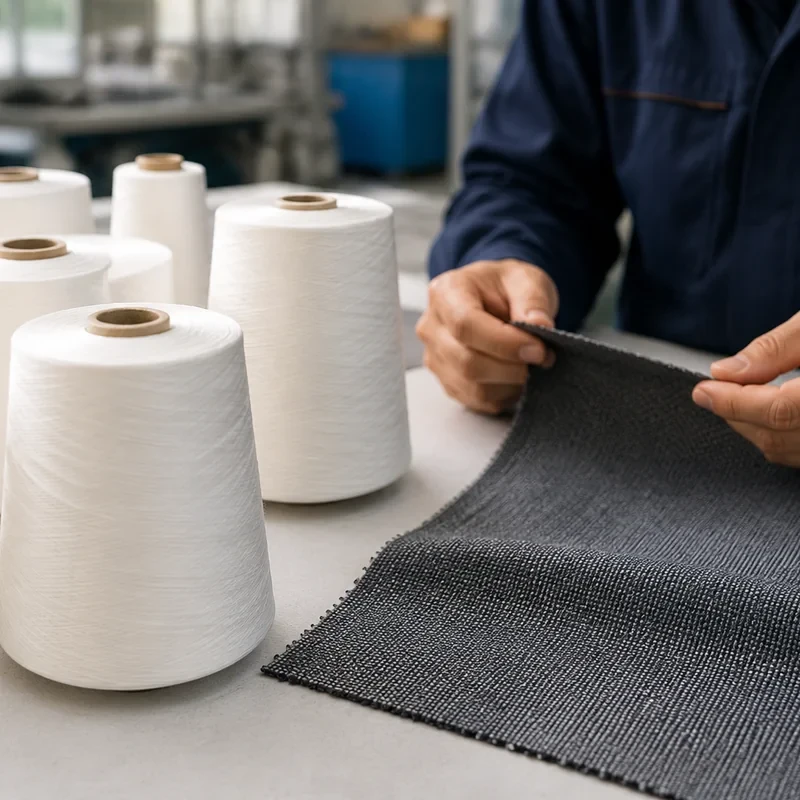
In-process inspection means quality is checked during manufacturing, not only after the yarn is finished. Instead of waiting until the end of production, the mill monitors performance while the order is running. That allows problems to be identified earlier, when correction is faster and less costly.
How inspection protects consistency
When a manufacturer checks key quality conditions during production, it becomes easier to control variation before it expands into a larger batch issue. Inspection supports consistency in yarn appearance, strength, and overall processing stability. For buyers, that means fewer unexpected differences between one delivery and the next.
- Issues can be detected before the full batch is completed
- Batch variation is easier to control during production
- Rework risk and shipment disruption can be reduced
- Repeat orders benefit from stronger consistency
Maina approach to quality control
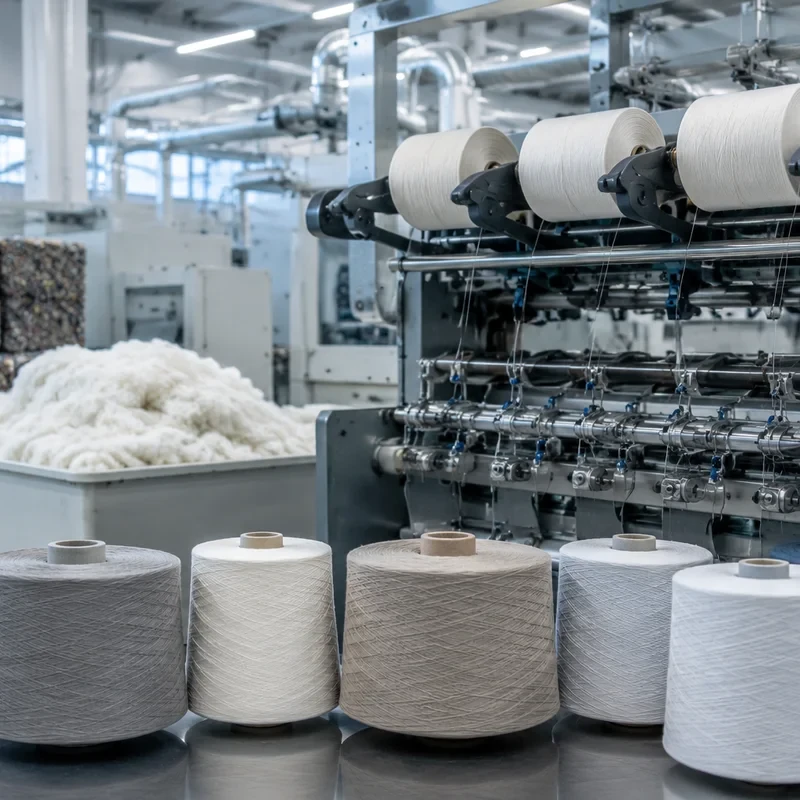
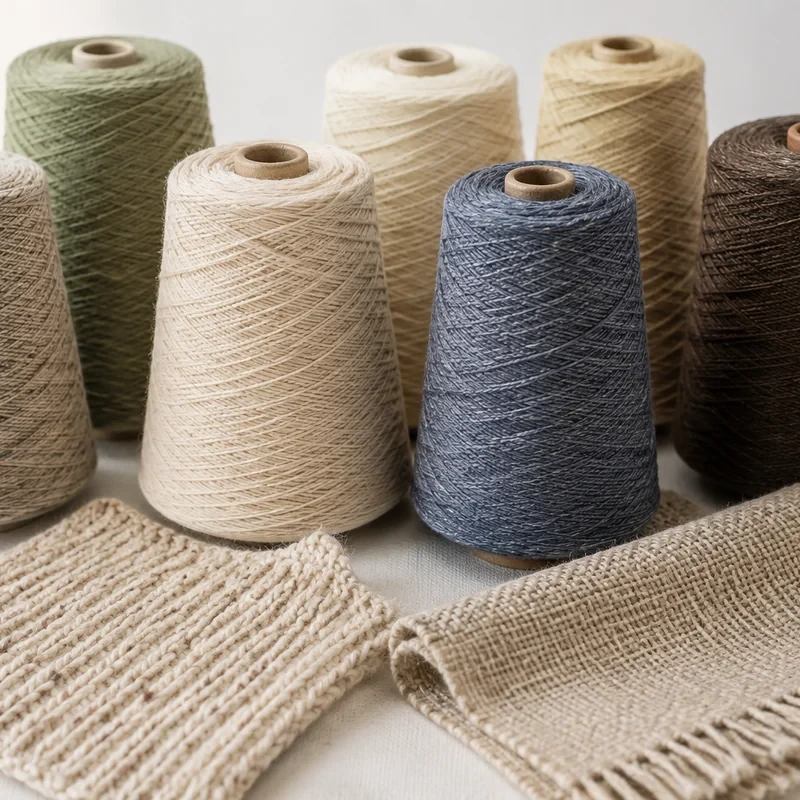
Maina uses advanced Titan K80 air-jet spinning equipment together with a complete yarn quality inspection system. This process control begins with raw material review and continues through production and final testing. The goal is to reduce batch fluctuation and maintain dependable performance for customers ordering cotton, polyester, and blended yarn.
Inspection also supports delivery reliability. When quality is managed in process, there is less chance of major late-stage correction that can interrupt shipment planning. This helps buyers protect their own schedules and gives more confidence in repeat ordering.
Why buyers should ask about inspection
Price and count are easy to compare, but process discipline is what often determines whether a supplier stays reliable over time. Buyers should ask how quality is monitored during production and how the mill handles variation control. A supplier with a clear inspection system is usually better prepared to support consistent long-term cooperation.
In-process inspection matters because quality stability is built step by step. For yarn buyers, that stability reduces risk across every batch.