For overseas textile buyers, understanding how recycled yarn is made is a practical way to evaluate supplier capability, quality control, and delivery risk. A reliable recycled yarn manufacturer in China should be able to explain each production stage clearly, from raw material selection to final package inspection.
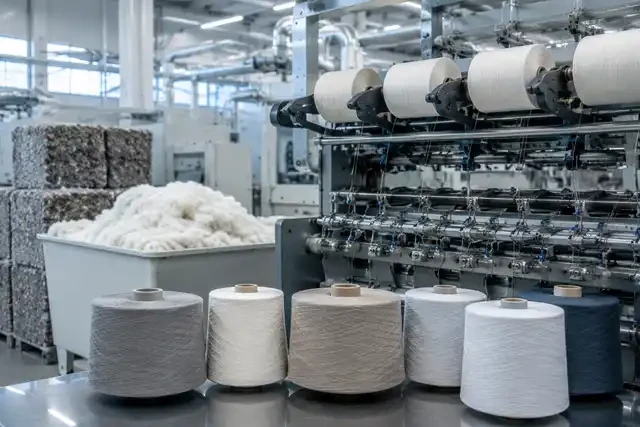
1. Raw Material Collection and Sorting
The process usually starts with recycled polyester flakes, regenerated fiber, textile waste, or selected blended fiber sources. For textile buyers, the key question is not only whether the yarn is recycled, but how consistently the input material is sorted. Stable raw material batches help reduce shade variation, uneven strength, and unexpected performance changes in knitting or weaving.
2. Fiber Opening, Cleaning, and Blending
Before spinning, fibers are opened and blended to create a more uniform feed. This stage affects yarn evenness and downstream efficiency. Buyers sourcing recycled yarn should ask suppliers how they control contamination, fiber length distribution, and blend ratios, especially when ordering yarn for repeat production.
3. Spinning and Drafting Control
During spinning, the prepared fiber is drafted, twisted, and formed into yarn. The settings depend on yarn count, material composition, and final application. A buyer planning fabric production should confirm whether the supplier can match the required yarn count, twist level, tensile strength, and appearance standard before bulk production begins.
4. Winding, Cone Forming, and Package Quality
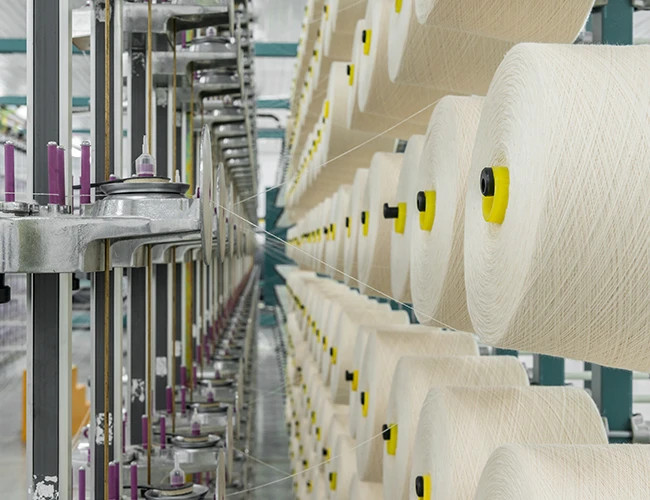
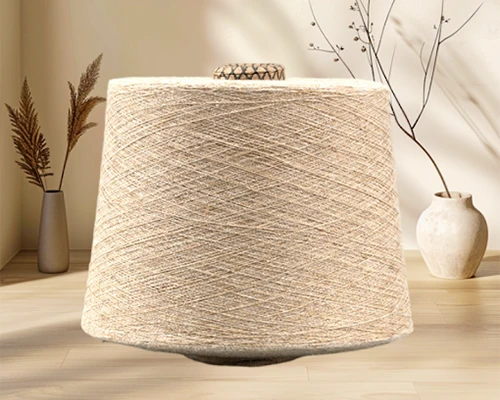
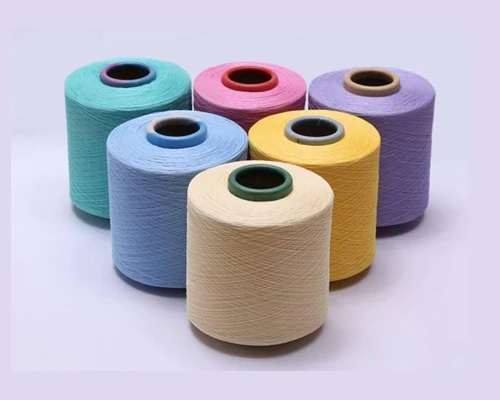
After spinning, yarn is wound onto cones for storage, dyeing, knitting, weaving, or export packing. Cone density, winding tension, and package shape matter because poor winding can cause breakage, uneven feeding, or production stoppages at the buyer factory.
5. Testing Before Shipment
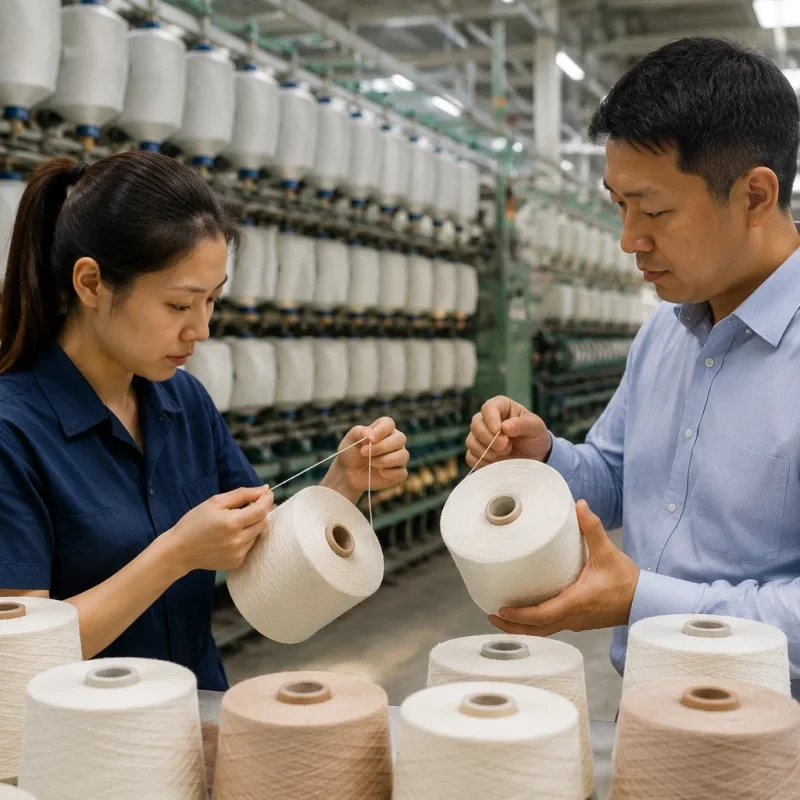
Quality testing should cover yarn count, strength, elongation, evenness, moisture, color consistency when applicable, and visual defects. For recycled yarn buyers, test reports are most useful when they are linked to the actual production batch rather than shown as generic samples.
Buyer Checklist
- Confirm the recycled material source and blend composition.
- Ask for yarn count, strength, elongation, and evenness data.
- Check whether samples and bulk goods are produced under comparable conditions.
- Review cone packing, carton labeling, and export loading details.
- Clarify acceptable tolerances before placing a repeat order.
Common Process Risks
| Stage | Possible Risk | Buyer Checkpoint |
|---|---|---|
| Material sorting | Unstable fiber quality | Batch traceability and input control |
| Blending | Uneven yarn appearance | Blend ratio and production records |
| Spinning | Low strength or high breakage | Count, twist, strength, and elongation tests |
| Winding | Feeding problems in production | Cone density and package inspection |
Conclusion
The recycled yarn manufacturing process is not just a factory workflow. It is a supplier evaluation framework. Buyers who understand each stage can ask better questions, compare quotations more accurately, and work with suppliers that can support stable textile production.